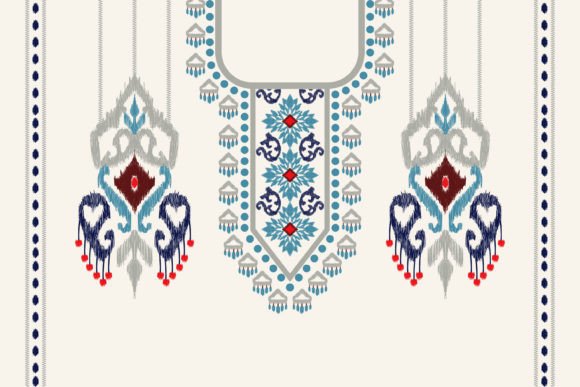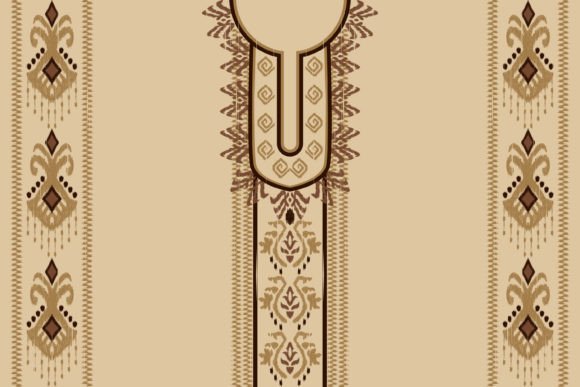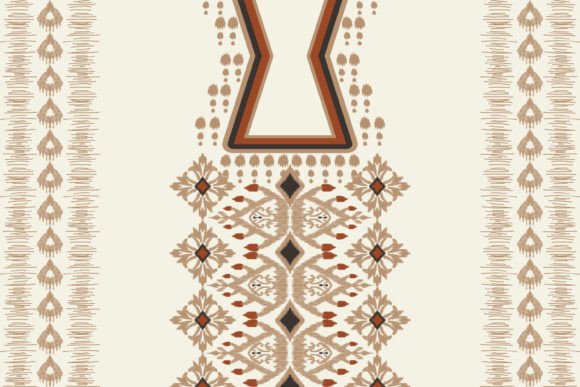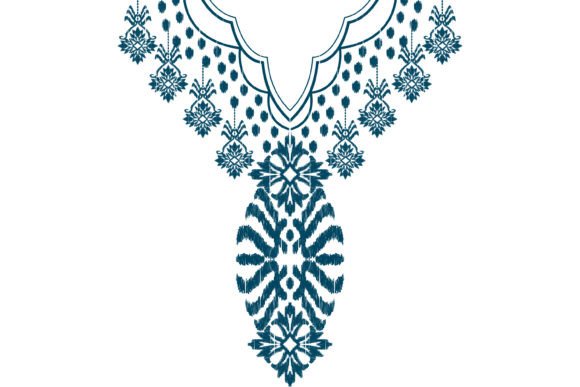
African Ikat Paisley Neckline Embroidery Review
As an experienced embroidery designer who has spent years refining designs for small business merchandise, I approach every new asset with a critical eye. When I first encountered the African Ikat Paisley Neckline Embroidery, my immediate thought was not just about its aesthetic appeal, but how it would translate into a tangible brand asset. This piece is categorized under Patterns and Graphics, yet its potential extends far beyond a simple digital file. It represents a specific intersection of ethnic tradition and modern boho style that can elevate a brand's visual identity if executed correctly.
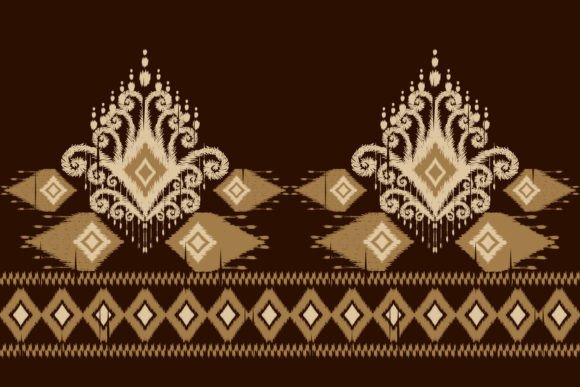
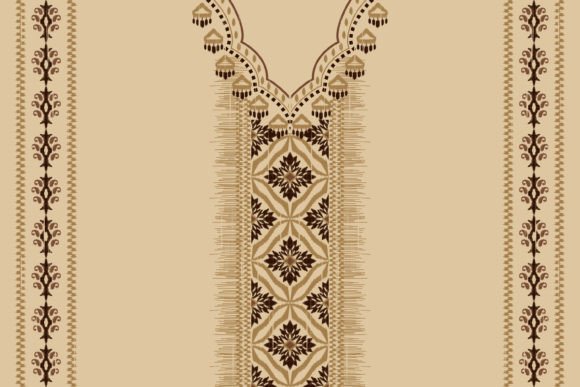
The description paints a vivid picture: a geometric ethnic oriental pattern featuring traditional floral boho elements on a brown background. The mention of Aztec-style abstract vector design suggests a complexity that could be stunning or disastrous depending on the application. For a small business owner looking to create custom apparel, branded patches, or unique product labels, understanding the personality of this design is crucial. Does it feel professional? Is it rustic or premium? In my review, African Ikat Paisley Neckline Embroidery strikes a balance between bold and elegant. It feels handmade yet structured, making it suitable for boutique brands, creative studios, and artisanal bakeries that want to convey authenticity without sacrificing polish.
Real-World Application for Small Business Merch
Imagine a local café or a handmade soap shop wanting to expand their revenue streams. They need staff uniforms, apron embroidery, and tote bag designs that customers will actually want to wear or carry. This is where African Ikat Paisley Neckline Embroidery shines. The neckline focus of the design makes it an excellent candidate for chest logo accents on work shirts or as a decorative element on the yoke of an apron. Unlike a standard circular logo, this pattern offers a sophisticated framing effect that draws attention to the wearer's upper body.
For those selling embroidered patches, this design offers a unique opportunity. The intricate details of the paisley and ikat patterns can serve as a high-value add-on to product packaging or as a standalone badge for denim jackets and tote bags. A florist might use a smaller version of this motif on a cap embroidery project to signal a connection to nature and organic growth. Similarly, a pet brand could adapt the geometric elements for a collar tag or a branded bandana. The key here is versatility; the design works well as a commercial embroidery project because it carries a narrative of craftsmanship.
When used on a tote bag design, the brown background mentioned in the description provides a warm, earthy tone that complements natural fibers like canvas or cotton. This creates a cohesive look for event merch or customer gifts. However, success depends on how you integrate it. If you simply slap a large version of the graphic onto a plain shirt, it may look generic. Instead, consider using it as a sleeve detail or a pocket accent. This strategic placement ensures that the African Ikat Paisley Neckline Embroidery enhances the garment rather than overwhelming it, adding a layer of exclusivity that drives buyer engagement.
Where Caution is Required
While the visual potential is high, there are specific scenarios where this design requires careful evaluation before production. One of the primary concerns is stitch density. Descriptions mentioning "Aztec style abstract vector" and "geometric ethnic oriental pattern" often imply a high level of detail. If the design is too dense, it may become stiff and uncomfortable when stitched onto fabric texture like t-shirts or lightweight polos. For small patch sizes, this risk increases significantly. Tiny lettering or fine outlines within the pattern can blur together, turning a premium look into a muddy mess.
Curved surfaces present another challenge. If you plan to use this for cap embroidery, the curvature of the front panel can distort complex patterns. The neckline shape of the design might not align perfectly with the curve of a hat, leading to uneven stitching lines. Additionally, testing on dark uniforms requires a thorough review of thread colors. The brown background described in the file may not provide enough contrast against dark fabrics unless you utilize a heavy underlay or a specific color palette. Without proper stabilizer support, the tension required to hold these detailed stitches could cause puckering, ruining the finished product.
Frequent washing is also a factor. Designs with high stitch counts and intricate outlines are more prone to fraying or snagging over time. If your business sells durable goods like work shirts or heavy-duty aprons, you must ensure that the African Ikat Paisley Neckline Embroidery is digitized with durability in mind. Always inspect spacing carefully; crowded elements can break down after multiple wash cycles, affecting the long-term brand identity and customer trust.
Impact on Brand Identity and Professionalism
Every element of your small business merch contributes to your overall brand identity. Using a design like African Ikat Paisley Neckline Embroidery signals that you value artistry and cultural appreciation. It moves your brand away from generic, mass-produced aesthetics toward something that feels curated and thoughtful. Customers today are increasingly drawn to businesses that demonstrate a commitment to quality and unique design assets. When a client sees a beautifully executed embroidered patch featuring this pattern, they perceive higher product value and greater professionalism.
This design can act as a visual anchor for your brand consistency. Whether it appears on a printable mockup for social media marketing or on a physical product label, it reinforces a theme of boho elegance and ethnic richness. However, consistency relies on execution. If the thread colors vary wildly between batches or the stitch density is inconsistent, the perceived value drops. Therefore, maintaining strict quality control is essential when integrating this digital embroidery file into your workflow.
Practical Designer Notes for Production
Before committing to a full production run, I recommend following a rigorous testing protocol. First, test the design in black and white to ensure the structural integrity of the shapes holds up without relying on color contrast. Next, check if it works at a small patch size by reducing the dimensions and reviewing the clarity of the geometric outlines. You must review thread color contrast against your target fabric texture; what looks good on a screen may disappear on brown canvas.
Inspect the spacing between elements to prevent overcrowding. Confirm the hoop size requirements to ensure the design fits your machinery and the intended garment area. Most importantly, test on real fabric using the proper stabilizer. A digital embroidery file is only as good as the physical result, so always create a mockup for client approval before finalizing orders. Compare it beside other design assets in your library to ensure it aligns with your existing visual language. Finally, confirm commercial licensing terms explicitly. Do not assume that purchasing a graphic allows for unlimited merchandise production; verify the rights to use African Ikat Paisley Neckline Embroidery for branded patches, uniforms, and resale items.
In conclusion, African Ikat Paisley Neckline Embroidery is a powerful tool for small business owners, Etsy sellers, and product designers who wish to add depth and character to their offerings. By respecting the technical limitations and leveraging its unique aesthetic, you can transform a simple pattern into a cornerstone of your brand's visual story. Whether applied to a tote bag design, a staff uniform, or a custom apron, this design has the potential to create memorable, high-quality finished products that resonate with your audience.