Vector Embroidery Morocco Background Review
As a professional embroidery designer who spends countless hours testing files for real-world commercial projects, I recently had the chance to evaluate the Vector Embroidery Morocco Background from Creative Fabrica. In my line of work, finding the right design assets is about more than just visual appeal; it is about how that asset translates into a tangible, high-quality finished product. Whether you are an Etsy seller looking to expand your catalog or a boutique owner creating custom apparel, the difference between a good design and a great one often comes down to the details.
This review focuses on my honest assessment of using this specific pattern for actual handmade goods. I looked at how the Vector Embroidery Morocco Background performs when moving from a digital screen to fabric, considering everything from stitch density to the final washability of the item. My goal is to help you decide if this file is the right tool for your next project before you commit to downloading it.
First Impressions: Visual Mood and Design Personality
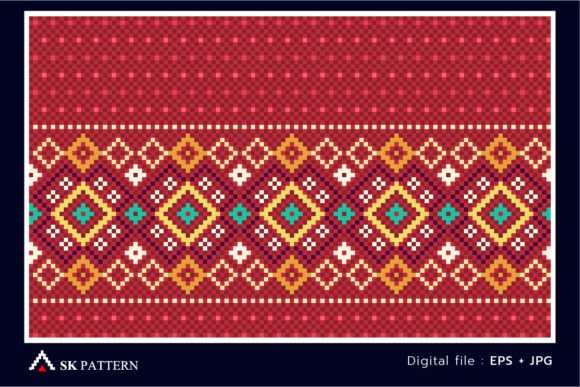
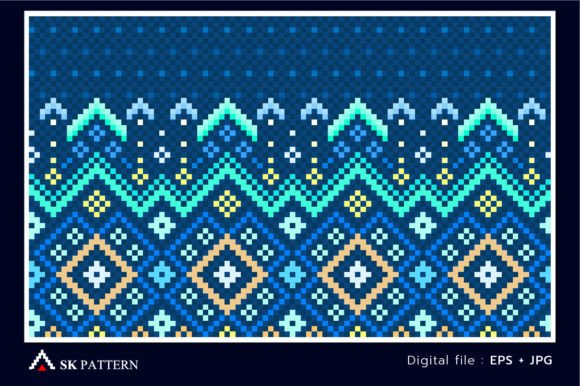
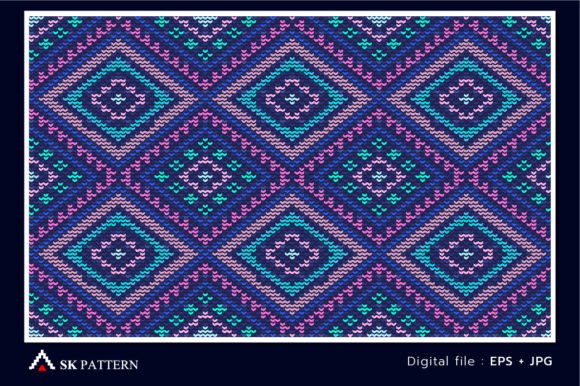
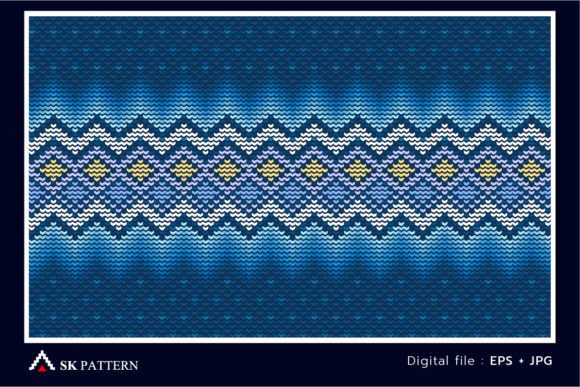
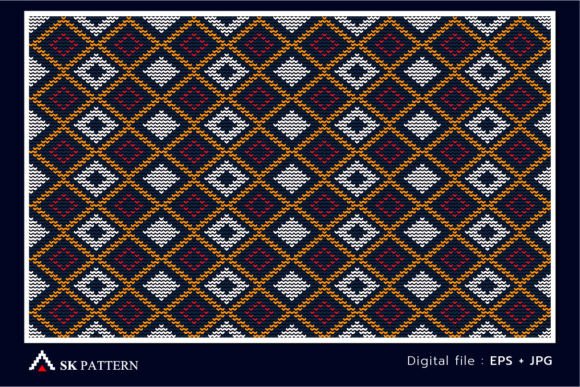
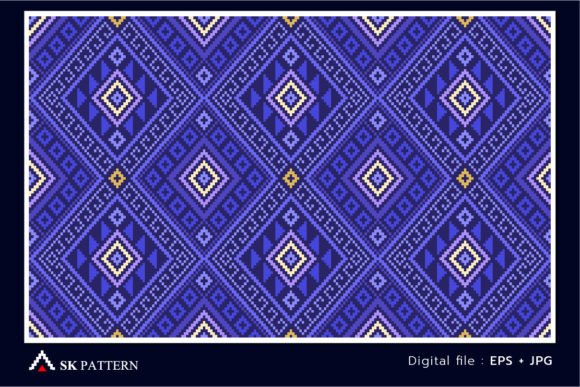
The moment I opened the Vector Embroidery Morocco Background, the visual impact was immediate. The intricate geometric patterns typical of Moroccan art create a rich, textured look that feels both exotic and timeless. Unlike simple floral motifs that can sometimes feel generic, this design carries a distinct decorative appeal that suggests luxury and craftsmanship. It has a strong visual mood that naturally elevates any surface it adorns.
For designers working with Patterns and Graphics, the detail level here is impressive. The lines are clean, and the flow of the geometry suggests a seamless repeat potential, which is crucial for larger items like throw blankets or large tapestries. However, as someone who knows the pitfalls of digitizing complex backgrounds, I immediately thought about how these fine lines would translate into stitches. The design promises a sophisticated aesthetic, but its success depends entirely on how well it handles the technical constraints of machine embroidery.
Real-World Application: From Screen to Stitch
I decided to test the Vector Embroidery Morocco Background against several common commercial scenarios to see where it truly shines. The first scenario was a tote bag design intended for a local craft fair. The bold nature of the pattern works exceptionally well on canvas bags, providing a striking backdrop that doesn't get lost in the weave of the fabric. Similarly, for aprons and kitchen towels, the repetitive nature of the background allows the design to fill the space without overwhelming the user's view.
When considering baby items, such as a nursery wall hanging or a soft blanket, the design offers a unique alternative to standard stars or moons. The warmth of the pattern makes it suitable for personalized gifts that feel curated rather than mass-produced. For custom apparel like sweatshirts or dresses, the Vector Embroidery Morocco Background adds a layer of depth that plain lettering simply cannot achieve. It transforms a basic garment into a statement piece, perfect for boutique merchandise where brand consistency and visual appeal are paramount.
I also considered its potential for smaller accessories. A cap or an embroidered patch could benefit from this design, provided the hoop size limitations are respected. The dense, detailed look creates a sense of value, making customers feel they are receiving a premium item. This directly impacts buyer trust; a well-executed background design signals that the creator cares about quality, which is essential for building a loyal customer base in the handmade community.
Practical Challenges and Technical Considerations
While the visual potential is high, every experienced embroiderer knows that beauty must be balanced with practicality. One of the primary concerns with a design like the Vector Embroidery Morocco Background is stitch density. If the file contains too many fill stitches packed closely together, it can lead to puckering, especially on stretchy fabrics like jersey used for t-shirts or sweatshirts. Before running a full production run, it is vital to check the stitch density and adjust if necessary to ensure the fabric lays flat.
Hoop size is another critical factor. The intricate details of the Moroccan pattern may not render well in a very small hoop. Tiny lettering or minute geometric intersections can become muddy or disappear entirely if the resolution is too low for the stitch count available. I recommend testing the design on scrap fabric first to see how the threads interact. If the design includes areas meant to be satin stitch, ensure those columns are wide enough to hold their shape without breaking needles or tangling thread.
Fabric choice plays a massive role in the final outcome. On dark fabric, the contrast might be lost unless you use a high-quality underlay or a specific thread color strategy. Conversely, on light, textured fabrics, the fine lines of the Vector Embroidery Morocco Background might get lost in the weave. Proper stabilizer selection is non-negotiable here. You will likely need a cut-away stabilizer to support the weight of the pattern and prevent distortion during washing, particularly for items like pillow covers or tote bags that will see frequent use.
Curved surfaces, such as caps, present their own set of challenges. While the design is adaptable, the curvature can stretch the embroidery, potentially distorting the geometric precision of the background. Layered details can add dimension, but they also increase the risk of needle strikes if not planned carefully. Always inspect small details after stitching to ensure they have been captured correctly by the machine.
Evaluating Product Value and Brand Impact
In the world of commercial embroidery and digital product selling, the presentation of the finished product matters immensely. A well-executed background design like this enhances product photography, allowing the item to stand out in online listings. It contributes to a cohesive brand identity, showing that you curate your designs with intention.
For sellers offering personalized gifts, this design provides a versatile canvas. It can serve as a subtle backdrop for monograms or a bold feature on its own. When customers receive a handmade gift that features a complex, well-stitched background, their perception of the value increases. They see the effort and skill involved, which fosters engagement and encourages repeat business.
Final Verdict and Preparation Steps
The Vector Embroidery Morocco Background is a compelling asset for designers looking to elevate their portfolio. Its rich visual style and adaptability across various categories—from home decor to custom apparel—make it a valuable addition to your collection of design assets. However, it requires a careful approach to execution.
To ensure success, follow these practical steps before starting your project:
- Test on Scrap Fabric: Always run a test stitch on the same material you plan to use for the final product to check for puckering or thread breakage.
- Check Thread Colors: Review how the design looks with different thread colors to maximize contrast and visual impact.
- Review File Details: Confirm the exact file formats included (such as the EPS and JPG mentioned) and verify the licensing terms on the Creative Fabrica product page to ensure you are compliant with commercial use.
- Compare Mockups: Use printable mockup tools to visualize the design on light and dark fabrics before cutting into expensive materials.
- Inspect Small Details: Zoom in on the digital file to ensure there are no tiny elements that might be lost in translation during the embroidery process.
If you approach this embroidery file with caution and attention to detail, the Vector Embroidery Morocco Background can be the foundation for some of your best-selling items. It bridges the gap between digital artistry and tactile craftsmanship, offering endless possibilities for creative entrepreneurs ready to bring their vision to life.