Pixel Embroidery Ethnic Pattern Vector Review
As an experienced embroidery designer who has spent years curating collections for boutique apparel, I am always on the lookout for digital assets that bridge the gap between modern aesthetics and traditional craftsmanship. Recently, I examined a specific asset from Creative Fabrica called Pixel Embroidery Ethnic Pattern Vector. While browsing through the Patterns and Graphics categories often yields mixed results for serious garment decoration, this particular design caught my eye for its potential in creating a cohesive sweatshirt collection.
The concept of using a pixelated ethnic pattern for machine embroidery is intriguing. It suggests a blend of retro digital art with cultural motifs, which could translate into a unique visual texture when stitched. My goal was to determine if this design could stand out on neutral sweatshirts, pastel hoodies, and dark apparel without looking cheap or overly busy. Below, I share my professional assessment of how this file might perform in a real-world commercial setting.
First Impressions: Visual Personality and Mood
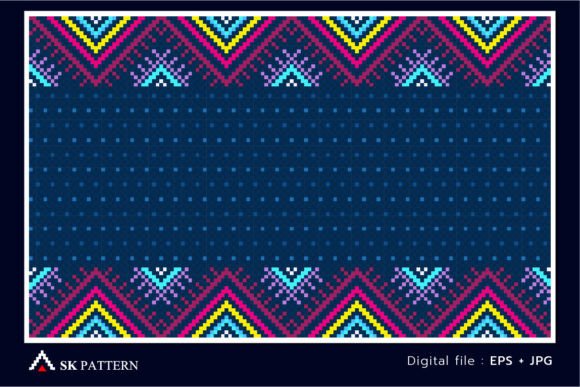
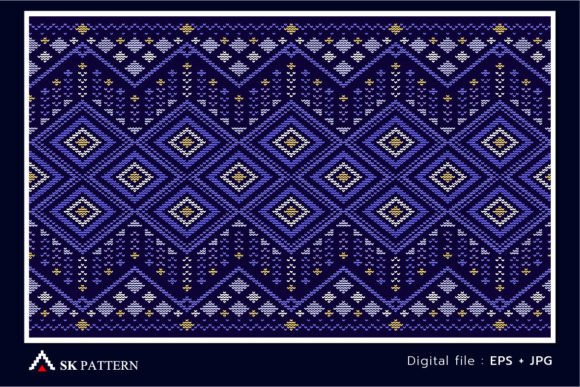
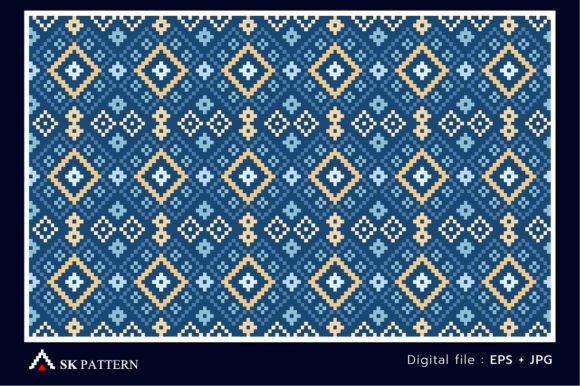
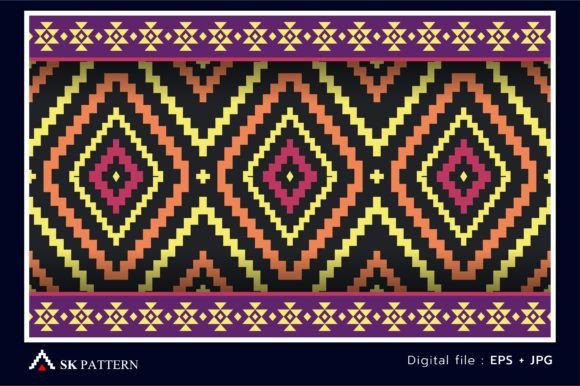
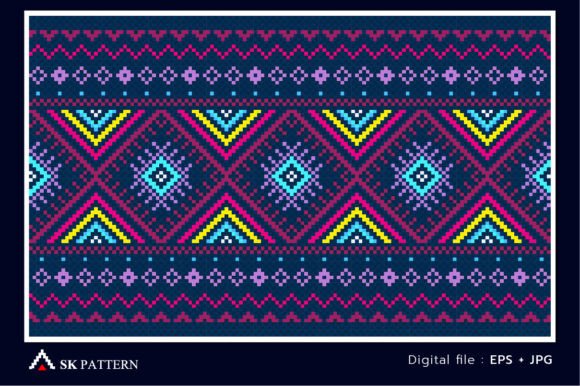
When I first loaded the files provided in the package—which include one EPS file and one JPG—the immediate feeling was one of bold geometric structure. The Pixel Embroidery Ethnic Pattern Vector possesses a distinct visual personality that leans towards trendy and playful rather than classic or rustic. The pixelation adds a layer of depth that mimics the look of cross-stitch or low-resolution digital art, which can be very effective for catching the eye on social media graphics and Etsy listings.
For a boutique brand looking to establish a specific identity, this design offers a "digital-native" vibe. It feels premium in its execution but casual enough for everyday wear. Unlike dense floral patterns that can overwhelm a garment, this ethnic pattern relies on blocky shapes that create a strong decorative strength. It strikes a balance between being minimal and detailed, making it versatile for various product lines. Whether you are designing for a small clothing brand or an Etsy seller, the aesthetic fits well within the current market demand for nostalgic yet contemporary designs.
Application on Apparel and Accessories
I have been mentally mapping out where this design would shine best in a new collection. The primary use case for the Pixel Embroidery Ethnic Pattern Vector is undoubtedly on sweatshirt embroidery. Because the pattern consists of distinct blocks, it works exceptionally well on the back of oversized garments where space allows the design to breathe. On a hoodie design placed on the chest, the pattern could serve as a striking focal point, especially if paired with simple typography.
Beyond standard hoodies, I see significant potential for sleeve accents. A smaller iteration of the pattern could run down the forearm of a jacket, adding a subtle detail that elevates the piece from basic merchandise to custom apparel. For tote bag design, the high contrast of the pixel elements would pop beautifully against canvas, creating a functional lifestyle product photo prop that looks great in marketing materials.
The versatility extends to denim jackets and dresses as well. On a light-wash denim jacket, the pattern could provide a colorful, textured patch effect. For dresses or skirts, the design might work best as a border or a central motif, provided the fabric texture supports the density of the stitches. Even for gift wrapping or throw blankets mentioned in the product description, the vector nature ensures scalability, though we must remember that our focus here is on finished textile products.
Color Contrast and Thread Selection
One of the most critical aspects of embroidery is thread color contrast. When applying the Pixel Embroidery Ethnic Pattern Vector, the choice of thread colors will define the mood. On dark garments, bright, saturated threads will make the pixel blocks jump off the fabric, creating a vibrant, energetic look. Conversely, using tonal threads on a similar-colored background will yield a more sophisticated, understated finish.
For pastel hoodies, the pattern could offer a soft, dreamy aesthetic if lighter thread shades are chosen. However, on fleece fabrics, the texture of the material itself interacts with the stitch density. If the thread colors do not contrast sufficiently with the fabric, the pixel definition may get lost in the nap of the fleece. This is why testing on scrap fabric is non-negotiable before committing to a full production run.
Strategic Placement and Technical Considerations
While the design is visually appealing, there are areas where caution is required. Small chest placement on fitted t-shirts requires careful consideration of the design's dimensions. If the pattern is too large for a standard 4x4 hoop, it may require multi-hooping, which can introduce alignment issues. Furthermore, dense stitch areas can sometimes cause puckering on stretchy fabrics like jersey knit or ribbed fabric found on cuffs and collars.
Curved surfaces, such as the front of a baseball cap or the shoulder seam of a jacket, present another challenge. The rigid, geometric nature of the pixel pattern does not flow as naturally as a curved floral vine. Therefore, placing this design on highly curved surfaces should be done with a clear understanding of how the stitches will lay on the three-dimensional form of the garment.
It is also vital to inspect the stitch density during the digitizing phase (if you are converting the vector yourself) or to ensure the file is optimized for your machine. High-density fills on stretchy materials can restrict movement and lead to cracking over time. Always confirm the hoop size needed for the final layout to avoid cutting off parts of the ethnic pattern.
Impact on Brand Identity and Commercial Value
In the world of handmade products and commercial embroidery, visual consistency is key to building buyer trust. Using a cohesive asset like the Pixel Embroidery Ethnic Pattern Vector across a range of items—sweatshirts, tote bags, and accessories—creates a recognizable brand signature. Customers begin to associate that specific pixelated style with your boutique brand, enhancing product recognition.
This level of professional presentation directly affects customer engagement. A well-executed design on a quality garment signals that the creator cares about details. When a customer sees a clean, well-stitched ethnic pattern on a hoodie, they perceive higher value in the finished product. This perception justifies a higher price point and fosters loyalty among buyers who appreciate unique, artisanal touches.
For digital sellers and creative entrepreneurs, having a versatile graphic that translates well from a printable mockup to a physical embroidered item is invaluable. It streamlines the workflow from concept to listing, allowing you to generate social media graphics and Etsy listings quickly while maintaining a consistent aesthetic.
Practical Designer Notes for Production
Before integrating the Pixel Embroidery Ethnic Pattern Vector into your inventory, there are several practical steps every designer must take. First, test the design on scrap fabric that matches the weight and stretch of your target garment. This helps identify any potential issues with stabilizer choice; heavy-duty cut-away stabilizers are often necessary for sweatshirts to prevent distortion.
Review the thread color contrast carefully. Ensure that the chosen palette provides enough visibility against the base fabric. Confirm the hoop size requirements by measuring the design dimensions in your software. If the design exceeds your machine's capabilities, you may need to split the pattern, which can affect the integrity of the pixel look.
Finally, check the Creative Fabrica product details and licensing terms thoroughly. While the product includes an EPS file and a JPG, verify if the license permits commercial use for selling finished apparel. Understanding the legal scope is essential for protecting your small shop product business. By following these guidelines, you can ensure that your use of the design results in a high-quality, professional output that honors both the original artistic intent and the technical demands of machine embroidery.