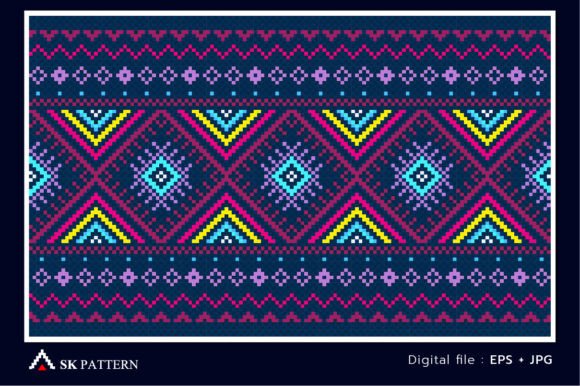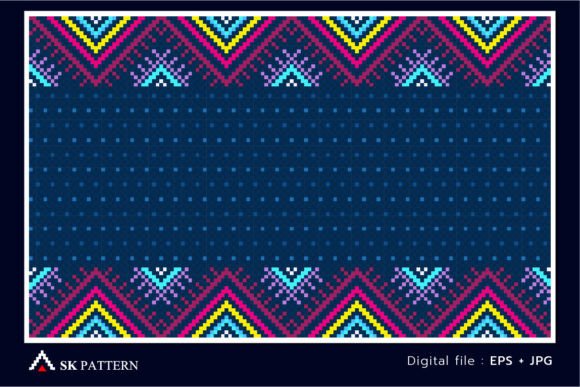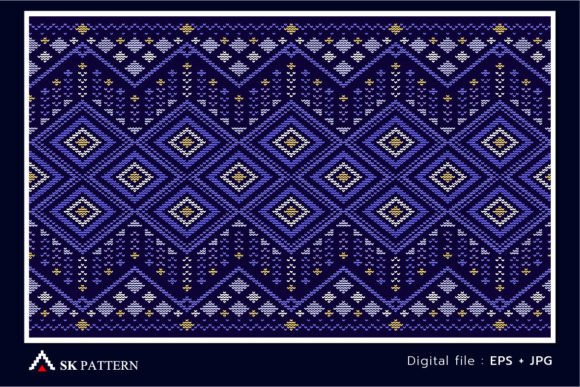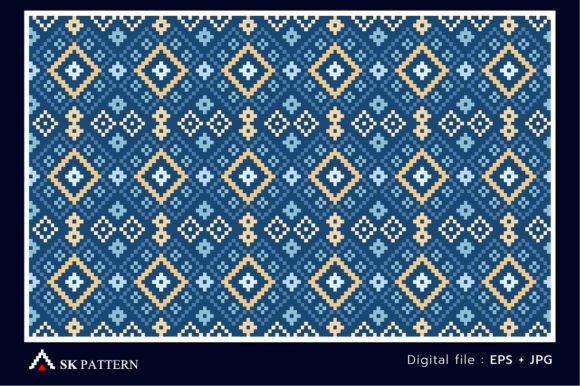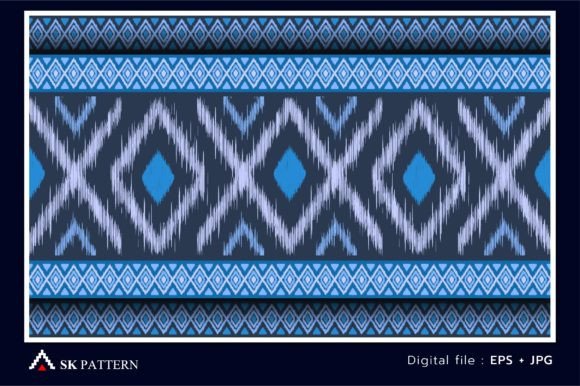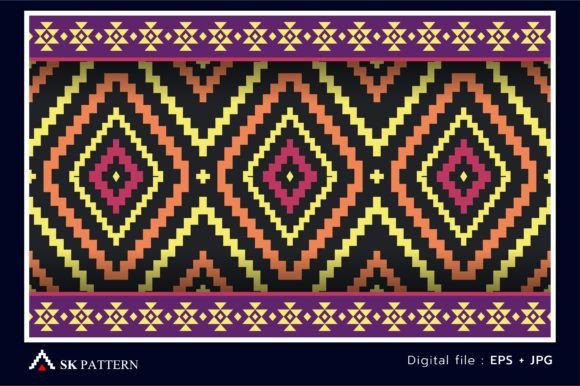
Vector Pattern Ethnic Embroidery Review
As an embroidery designer who has spent years translating digital concepts into tangible thread work, I approach every new asset with a mix of creative excitement and technical skepticism. When I first encountered Vector Pattern Ethnic Embroidery, my immediate question was not about its aesthetic appeal alone, but about its viability as a commercial asset for small business merchandise. In today’s market, where branding is everything, the difference between a decorative print and a premium embroidered accent can determine whether a product sells or sits on a shelf. This review focuses specifically on how this design performs in real-world business applications, from branded patches to custom apparel.
First Impressions: Aesthetic and Brand Personality
The title Vector Pattern Ethnic Embroidery suggests a specific visual language—one that likely leans towards traditional motifs, geometric symmetry, or culturally inspired patterns. For a small business owner, whether you run a boutique café, a handmade jewelry shop, or a creative studio, the "personality" of your embroidery matters. Does it feel rustic and authentic? Bold and modern? Elegant and classic?
From a design perspective, ethnic patterns often carry a sense of heritage and craftsmanship. When applied to merchandise, this design can instantly elevate a product from mass-produced to artisanal. It works exceptionally well for brands that want to communicate warmth, authenticity, and attention to detail. However, because it is described as a pattern, designers must consider how these repeating elements interact with the shape of the garment or accessory. Is it too busy for a subtle chest logo? Or does it provide the perfect backdrop for a minimalist brand name? The versatility of this graphic lies in its ability to serve as both a focal point and a textured background.
Real-World Business Applications
One of the most common requests I receive from clients is for designs that can be easily adapted across multiple product lines. Vector Pattern Ethnic Embroidery shines in this area due to its nature as a versatile graphic asset. Here is how I see it performing in various commercial scenarios:
- Embroidered Patches: One of the strongest use cases for this design is creating custom patches. Whether attached to denim jackets, backpacks, or aprons, a well-executed patch adds significant perceived value. The intricate details of an ethnic pattern look particularly striking when stitched with high-quality thread, creating a tactile experience that customers love.
- Staff Uniforms and Aprons: For hospitality businesses like bakeries, florists, or cafes, uniformity is key. Using this pattern on the pocket of an apron or as a sleeve detail on a work shirt can reinforce brand identity without being overly loud. It signals professionalism while maintaining a handmade, welcoming vibe.
- Tote Bags and Caps: Tote bags are essentially walking billboards. A large-scale application of this pattern on a canvas tote can make the bag a fashion statement in itself. Similarly, for cap embroidery, smaller sections of the pattern can frame a logo, adding depth and interest to what might otherwise be a flat, two-dimensional design.
- Product Packaging and Labels: Don’t overlook the unboxing experience. Using this design on hang tags, gift wrapping accents, or internal labels can create a cohesive brand story. It shows customers that you care about every touchpoint of their purchase.
- Etsy and Handmade Branding: For sellers on platforms like Etsy, standing out is crucial. Custom apparel featuring unique ethnic patterns helps differentiate your store from competitors using generic clip art. It positions your brand as one that values originality and cultural appreciation.
Technical Considerations and Limitations
While the aesthetic potential is high, not every design translates perfectly to embroidery. As a designer, I always advise testing before production. There are several areas where Vector Pattern Ethnic Embroidery requires careful handling:
- Small Patch Sizes: Intricate ethnic patterns can become muddy if scaled down too much. Fine lines and small details may merge together during the stitching process, losing their definition. Always check the design at the actual size it will be produced.
- Stitch Density and Thread Contrast: High stitch density can lead to fabric puckering, especially on lightweight materials. Additionally, ensure there is sufficient contrast between the thread colors and the base fabric. Dark uniforms may hide lighter threads, while light fabrics might show through dark stitches.
- Curved Surfaces: Applying patterned designs to curved surfaces like caps or sleeves requires precise digitizing. If the pattern is not adjusted for curvature, it may look distorted or misaligned.
- Fabric Texture: The texture of your fabric plays a huge role in the final look. Smooth cottons and linens will showcase the pattern clearly, while heavily textured fabrics like wool or bouclé may obscure the details.
If the product description mentions files included as 1 eps file and 1 jp, remember that vector formats (EPS) are ideal for resizing and editing, while raster images (JPG) are best for previewing. Ensure you have the necessary software to convert these into machine-readable embroidery files if needed.
Impact on Brand Identity and Customer Trust
Consistency is the cornerstone of strong branding. Using Vector Pattern Ethnic Embroidery across different products helps create a recognizable visual language. When customers see the same pattern on a tote bag, a hat, and a scarf, they associate those items with your brand’s personality. This repetition builds trust and recognition over time.
Furthermore, high-quality embroidery conveys professionalism. Unlike screen printing, which can crack or fade, embroidery has a premium feel that suggests durability and care. By investing in well-designed assets like this, you signal to your customers that you take pride in your work. This perception directly influences buyer engagement and loyalty.
Practical Designer Notes for Production
Before committing to a full production run, follow these steps to ensure success:
- Test in Black and White: Remove color distractions by testing the design in black and white. This helps evaluate the balance and composition of the pattern itself.
- Check Hoop Size Compatibility: Ensure the design fits within your standard hoop sizes. Oversized designs may require multiple hooping attempts, increasing the risk of misalignment.
- Use Proper Stabilizer: The choice of stabilizer can make or break the finish. Heavy-duty patterns often need cut-away stabilizers for stability, especially on stretchy fabrics.
- Create a Printable Mockup: Before stitching, create a mockup to visualize the design on the actual product. This allows for client approval and helps spot potential issues early.
- Confirm Commercial Licensing: Always verify the licensing terms of the design asset. Ensure you have the right to use it for commercial merchandise sales.
In conclusion, Vector Pattern Ethnic Embroidery offers a compelling option for small business owners looking to add a touch of artisanal charm to their merchandise. Its versatility makes it suitable for a wide range of applications, from branded patches to custom apparel. However, success depends on careful planning, technical execution, and an understanding of how the design interacts with different materials and contexts. By treating it as a strategic brand asset rather than just a decorative element, you can leverage its full potential to enhance your product value and customer experience.