Ethnic Pattern Vector Embroidery Design Review
As a professional embroidery designer who spends hours testing new assets before adding them to my commercial collection, I recently evaluated the Ethnic Pattern Vector Embroidery Design available on Creative Fabrica. My goal was simple: determine if this graphic asset could transition seamlessly from a digital download into a high-quality, sellable physical product for my Etsy shop and custom order clients. After reviewing the visual details and considering its application in real-world scenarios, here is an honest look at how this design performs.
First Impressions and Visual Appeal
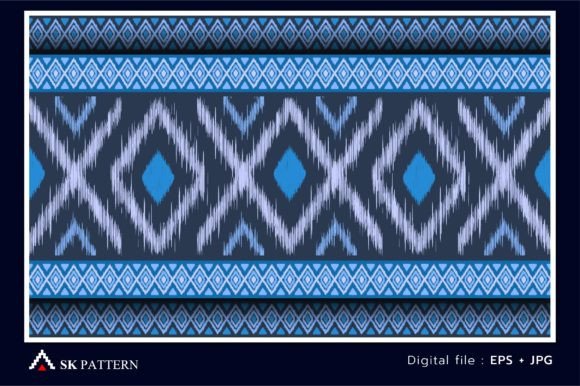
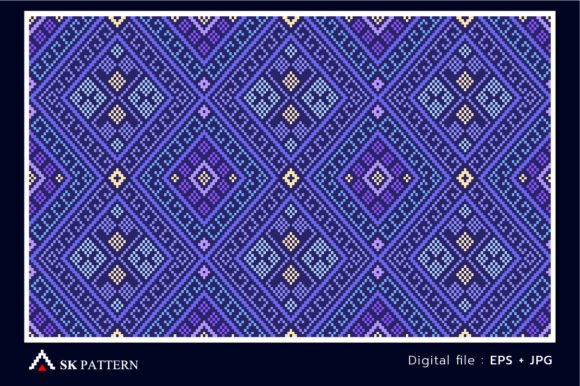
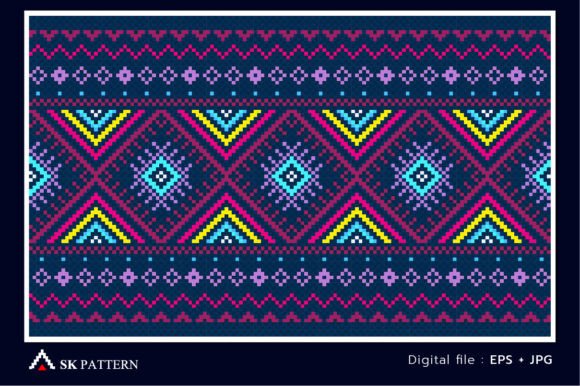
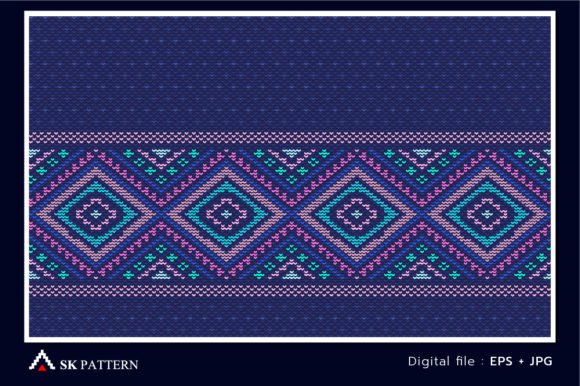
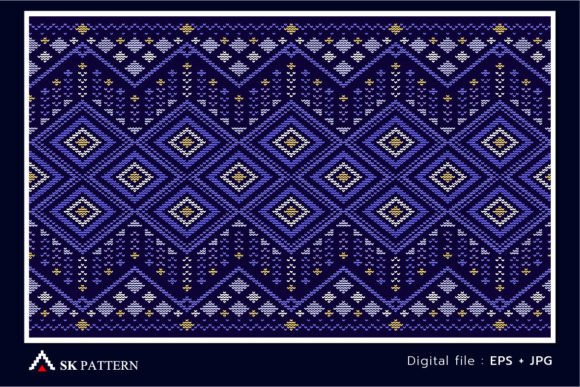
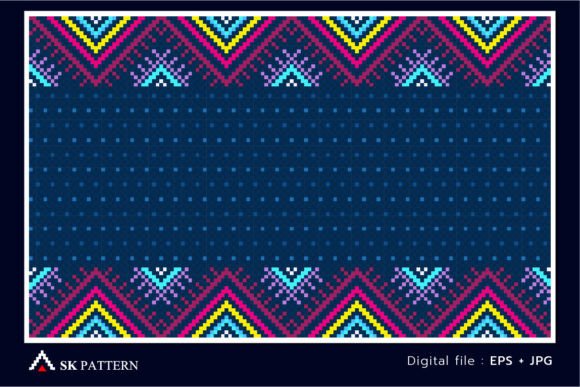
The moment I opened the preview files for the Ethnic Pattern Vector Embroidery Design, the aesthetic immediately stood out. It possesses a distinct cultural mood that feels both timeless and versatile. Unlike many generic geometric patterns that can feel flat or overly modern, this design carries a decorative weight that suggests heritage and craftsmanship. The intricate lines and repeating motifs suggest it is perfect for wall art, floor pillows, throw blankets, and tapestries where the pattern needs to carry the visual load of the piece.
For a designer looking to create custom apparel or boutique merchandise, the visual density is key. This design offers a rich texture that works exceptionally well as a background fill or a border element. Whether you are planning a tote bag design with all-over coverage or a subtle accent on a sweatshirt embroidery project, the ethnic theme adds a layer of sophistication that buyers often associate with handmade value. It is not just a graphic; it is a statement piece ready to be translated into thread.
Real-World Application in Embroidery Projects
When I consider using the Ethnic Pattern Vector Embroidery Design for a specific customer order, I think about the final tactile experience. This pattern is ideal for projects where the fabric itself needs to be elevated without overwhelming the garment's silhouette. Imagine a set of kitchen towels featuring this design running down the hem, or a nursery decor item like a baby blanket where the soft, repetitive nature of the pattern creates a calming atmosphere.
The versatility extends to various product categories mentioned in the description, including scarves, cushions, dresses, and skirts. For an embroidered patch, the clear definition of the ethnic motifs would allow for clean edges and minimal fraying, provided the stitching is executed correctly. If you are selling commercial embroidery items at craft fairs or online boutiques, this design offers a unique selling point. It stands apart from standard floral or abstract designs, appealing to customers seeking something with character and depth.
Furthermore, the design serves as excellent design assets for creating printable mockups. Before committing to expensive fabric runs, you can visualize how the Ethnic Pattern Vector Embroidery Design looks on different textures. This helps in setting realistic expectations for your clients regarding how the pattern will drape or sit on curved surfaces like caps.
Technical Considerations for Stitching
While the visual potential is high, translating a vector graphic into a functional machine embroidery design requires careful technical planning. The file includes an EPS and a JPG, which means you will likely need to digitize the artwork yourself or use it as a reference for a complex digitization process. As an experienced designer, I know that the success of this project hinges on how the stitch density and stitch types are managed.
If you plan to convert this into a dense fill stitch area, such as for a large cushion cover, you must ensure the fabric choice can support the weight of the stitches. Dense stitching on stretchy fabrics like jersey can lead to puckering, so a sturdy stabilizer is non-negotiable. Conversely, if you utilize running stitch to mimic the delicate lines of the ethnic motif, you may need to adjust the tension to prevent loose threads on lightweight materials like scarves.
One critical factor to watch is the hoop size. Large sections of this pattern might require multiple hooping positions, which can affect alignment. Always test on scrap fabric first to confirm the registration marks line up perfectly. Additionally, check the thread colors against your chosen fabric. A dark ethnic pattern on black fabric might lose definition, whereas a light version on white fabric could appear too stark. Comparing light and dark fabric mockups during the design phase is essential for ensuring the final product meets quality standards.
Product Value and Customer Trust
In the world of handmade goods, presentation is everything. Using a high-quality embroidery file like the Ethnic Pattern Vector Embroidery Design directly impacts buyer trust. When a customer receives a personalized gift or a finished product with crisp, well-defined stitching, they perceive higher value. The intricate details of this design can elevate a simple tote bag into a luxury accessory or transform a plain apron into a artisanal kitchen staple.
Consistency in your brand is also maintained when every item features the same level of precision. However, it is vital to inspect small details after stitching. Sometimes, tiny elements in a complex pattern can get lost or merge together if the digitization is not optimized. Taking time to review the stitch count and density ensures that the handmade product retains its intended aesthetic. This attention to detail fosters positive reviews and repeat business, as customers appreciate the care put into every stitch.
Practical Advice for Creators
Before you begin your next project with the Ethnic Pattern Vector Embroidery Design, there are several practical steps to take to ensure success. First, always confirm the file details and licensing terms on the Creative Fabrica product page. Understanding what you are allowed to do with the design—whether for personal use or commercial resale—is crucial for protecting your business.
If you are working with textured fabric or dark backgrounds, consider using a contrasting thread color to make the pattern pop. For apparel decorators working on caps or curved surfaces, remember that the pattern may need to be resized or adapted to fit the curvature without distortion. Layered details should be approached with caution; ensure that the underlay stitches provide enough stability so the top layers do not sink into the fabric.
Finally, remember that this design is a starting point. Its true potential is unlocked when combined with your own creative vision and technical skill. Whether you are creating a digital embroidery file for sale, crafting a unique gift wrapping accent, or producing a batch of boutique merchandise, the Ethnic Pattern Vector Embroidery Design offers a robust foundation. By testing thoroughly, choosing the right materials, and respecting the complexity of the pattern, you can produce stunning results that resonate with your audience.