Embroidery Diagonal Vector Background Review
As an experienced embroidery designer who spends countless hours testing digital assets for real-world production, I recently evaluated the Embroidery Diagonal Vector Background from Creative Fabrica. The goal was simple: determine if this pattern design could elevate a commercial order for a boutique client while maintaining high quality on varied fabric types. After analyzing the file structure and visual potential, I can offer an honest assessment of how this graphic fits into professional workflows.
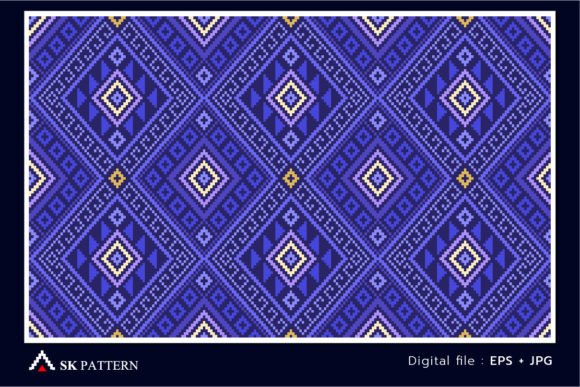
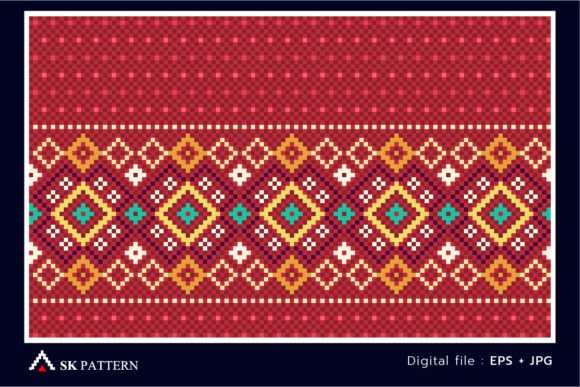
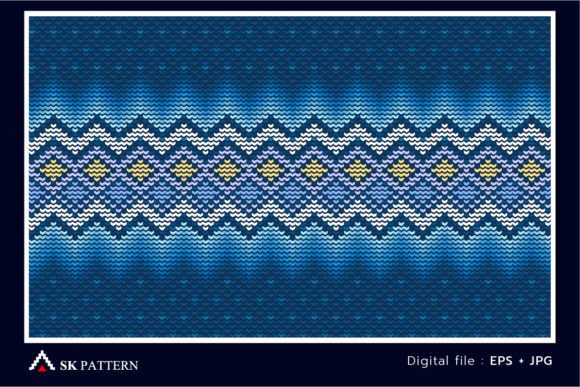
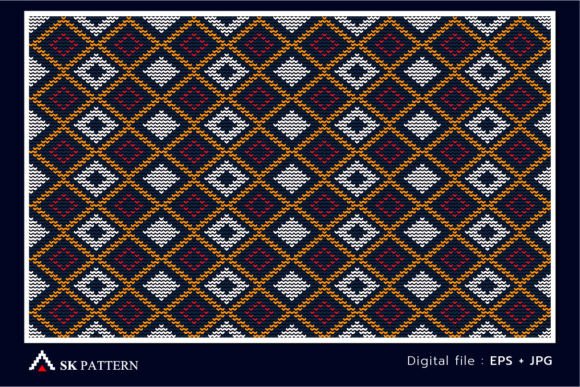
The first impression of the Embroidery Diagonal Vector Background is one of structured elegance. Unlike chaotic or overly busy patterns that often frustrate digitizers, this design offers a clean, geometric appeal that translates beautifully to thread. The diagonal orientation creates a sense of movement without overwhelming the viewer, making it an excellent choice for wall art, floor pillows, and throw blankets where the eye needs to travel across the surface. For designers looking to add texture to custom apparel like sweatshirts or tote bags, this vector background provides a sophisticated foundation that elevates the perceived value of the finished piece.
Real-World Application in Handmade Products
When considering the Embroidery Diagonal Vector Background for a specific customer order, versatility becomes the primary selling point. The product description highlights its suitability for a wide range of items, including scarves, cushions, dresses, skirts, and even gift wrapping. In my experience, the strength of this design lies in its ability to adapt to different scales. On a large item like a tapestry or a nursery wall hanging, the diagonal lines create a dynamic backdrop that feels modern and intentional. Conversely, when scaled down for smaller accessories like a cap patch or a kitchen towel, the pattern remains distinct without losing its character.
For Etsy sellers and small business owners, the potential for creating cohesive product lines is significant. Imagine a collection featuring matching pillow covers, aprons, and tote bags all utilizing the same embroidery file. This consistency builds brand identity and trust with customers who appreciate a curated aesthetic. The pattern works particularly well for seasonal handmade gifts, such as holiday stockings or baby blankets, where a structured background allows for personalized monograms or names to stand out clearly against the stitching.
Performance on Diverse Fabrics and Surfaces
One of the most critical aspects of reviewing any machine embroidery design is understanding how it behaves on different materials. The Embroidery Diagonal Vector Background relies heavily on fill stitches to create its visual impact. When applied to textured fabrics like denim for a tote bag design or cotton twill for a sweatshirt embroidery project, the density of the fill must be carefully managed. If the stitch count is too high, the fabric may pucker; if too low, the coverage may appear sparse.
I also considered the challenges of curved surfaces, such as caps or patches. The diagonal nature of the pattern requires precise hooping to ensure the lines remain straight relative to the wearer's perspective. While the vector format allows for easy resizing, the physical execution depends on using the correct stabilizer. For stretchy knits, a cut-away stabilizer is often necessary to prevent the diagonal lines from distorting after washing. Similarly, when working on dark fabric, the choice of thread colors becomes paramount. A light-colored diagonal pattern on a navy shirt will have a completely different mood than a dark version on white, affecting the overall finished product.
Technical Considerations for Commercial Embroidery
Before committing to a production run, there are several practical steps every designer should take. First, always test on scrap fabric. The Embroidery Diagonal Vector Background includes files that need to be converted into machine-readable formats, so verifying the stitch density and underlay settings is crucial. Small details within the pattern might get lost if the hoop size is too small, leading to a muddy appearance. It is wise to compare light and dark fabric mockups digitally before cutting expensive materials.
Another vital factor is the file composition. The product listing mentions an EPS file and a JPEG. While these are standard graphics formats, they are not direct machine embroidery files. Designers must use vector software to trace or convert these graphics into satin, running, or fill stitches suitable for their embroidery machine. This process allows for customization of thread colors and stitch types, ensuring the final output matches the vision. For those creating printable mockups for online listings, having the original vector file is invaluable for creating crisp images that showcase the design's potential.
- Stitch Density: Ensure the fill areas are not too dense to avoid bulk, especially on lightweight scarves or dresses.
- Hoop Size: Confirm that the design dimensions fit your largest intended hoop to avoid alignment issues during multi-hoop setups.
- Thread Contrast: Select thread colors that provide sufficient contrast against the base fabric to maintain the integrity of the diagonal lines.
- Licensing: Always review the license terms on the Creative Fabrica product page to understand the rules for selling finished items made with this design.
Enhancing Product Value and Buyer Trust
In the competitive world of handmade goods, presentation is everything. A well-executed Embroidery Diagonal Vector Background adds a layer of professionalism that separates amateur crafts from boutique merchandise. When a customer receives a custom gift wrapped in paper featuring a matching embroidered motif, or wears a tote bag with a perfectly aligned diagonal pattern, it signals attention to detail. This attention fosters buyer trust and encourages repeat business.
Furthermore, the design's adaptability makes it a strong asset for digital product sellers. By offering variations of the pattern in different colorways or applying it to various templates, creators can expand their catalog without reinventing the wheel. Whether used for commercial embroidery projects or personal creative endeavors, the Embroidery Diagonal Vector Background offers a reliable starting point for generating unique designs.
However, success depends on the preparation. Checking the file details, confirming compatibility with your specific equipment, and inspecting small details after stitching are non-negotiable steps. The pattern itself is a versatile tool, but the skill of the embroiderer determines the final outcome. By taking the time to validate the design on sample pieces and adjusting settings for factors like wash durability and fabric stretch, you ensure that the handmade product meets the highest standards.
In conclusion, the Embroidery Diagonal Vector Background is a valuable addition to the toolkit of any embroidery designer, crafter, or small business owner. Its clean geometry and flexible application make it suitable for everything from personalized gifts to high-volume boutique orders. While it requires careful planning regarding stitch types and stabilizers, the reward is a polished, professional look that resonates with customers seeking quality and style. For those willing to invest the time in proper digitization and testing, this pattern delivers exceptional results across a wide spectrum of textile applications.