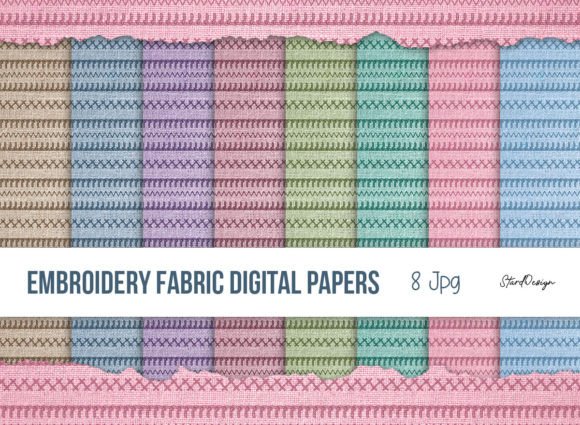
Embroidery Fabric Digital Paper
As an experienced embroidery designer who has spent years turning digital files into tangible heirlooms, I recently tested a new asset called Embroidery Fabric Digital Paper. My goal was simple: to see if this digital background could serve as a realistic foundation for creating personalized gift products that feel authentic to the customer. Whether you are running a small Etsy shop, designing wedding keepsakes, or crafting baby products, the visual representation of your work is just as important as the stitching itself. This review explores how Embroidery Fabric Digital Paper performs when used in the planning stages of custom orders.
The First Impression: Mood and Charm
When I first opened the Embroidery Fabric Texture Background, the immediate feeling was one of warmth and tactile appeal. Unlike sterile white backgrounds often found in stock graphics, this design captures the subtle irregularities of real cloth. It feels handmade, inviting, and grounded. The texture is detailed enough to suggest a high-quality weave without being so busy that it distracts from the main subject. For a personalized gift context, this mood is essential. It signals to the buyer that the product inside is crafted with care, not mass-produced by a machine.
The charm of Embroidery Fabric Digital Paper lies in its versatility. It strikes a balance between classic elegance and modern playfulness. You can imagine it perfectly suited for a nursery item where softness is key, or perhaps for a rustic wedding invitation suite. The emotional connection starts here, before a single stitch is even placed on fabric. It sets the stage for a story about memory, family, and tradition.
From Digital File to Real-World Keepsake
In my workflow, I often use these assets to create mockups for clients. Imagine a customer ordering a custom embroidered towel for a bridal shower. Using Embroidery Fabric Digital Paper, I can visualize exactly how the machine embroidery design will sit on the linen. It allows me to present a printable mockup that looks indistinguishable from a photograph of the finished product. This level of realism builds trust with buyers who cannot touch the item before purchasing.
This tool is particularly effective for several categories of handmade goods. For baby embroidery projects like blankets or bonnets, the soft texture of the digital paper reinforces the idea of gentle care. When designing a wedding gift, such as a pillow cover or a framed monogram, the background adds a layer of sophistication that elevates the perceived value of the item. It transforms a simple embroidery file into a premium handmade product.
I also see great potential for kitchen towels and aprons. These items are often given as housewarming gifts, and the visual texture helps customers appreciate the durability and quality of the base material. Even for candy wrappers or recipe cards included in a gift basket, using this background ensures that every element of the package feels cohesive and thoughtfully designed. It turns a collection of disparate items into a unified brand experience.
Strategic Applications for Small Business Owners
For Etsy sellers and small business owners, time is money. Creating physical samples for every listing is costly and time-consuming. Embroidery Fabric Digital Paper offers a solution by allowing you to showcase custom embroidery designs in a realistic setting without the waste of materials. You can test different thread colors against the background to ensure contrast before you ever thread your machine.
This approach is ideal for gift shop owners looking to expand their inventory. By using this graphic in your Graphics category for marketing materials, you can attract customers who are looking for unique, artisanal items. The background acts as a visual anchor, making your finished product photos stand out in a crowded marketplace. It suggests that you pay attention to detail, which is a trait highly valued by buyers of family keepsakes.
Critical Considerations and Limitations
While Embroidery Fabric Digital Paper is a powerful tool, it requires careful application. It is not a magic wand that solves every design challenge. There are specific scenarios where this texture might mislead or fail to represent reality accurately. For instance, if you are designing for dark fabric, the light, airy texture of this digital paper might not convey the necessary depth or shadow required for a realistic preview. In those cases, you must adjust your mockups to reflect the true color palette.
Furthermore, be cautious when applying this texture to products with complex geometries. Curved surfaces like tote bags or fitted hats do not lay flat like a piece of scrapbook paper. If your design relies on small lettering or delicate details, the texture of the background might obscure fine lines when viewed on a screen. Similarly, thick towels have a pile that interacts with thread differently than a smooth surface; the digital paper might make the embroidery look flatter than it actually is.
Stretchy fabrics, such as those used for baby clothes, present another challenge. A static image cannot show how the embroidery will distort when the fabric stretches. While Embroidery Fabric Digital Paper provides a great starting point, it should not replace testing on actual stretchy materials. Always verify that your stitch density is appropriate for the final fabric type, as a design that looks good on a flat digital background might pucker on a flexible garment.
Practical Embroidery Notes for Success
To get the most out of your planning process with this digital asset, follow these practical steps. Before committing to a large order, always test on scrap fabric. This is non-negotiable for ensuring that your commercial embroidery meets quality standards. Check the thread color contrast against both the digital background and the actual fabric swatch to avoid surprises.
Confirm your hoop size early in the design phase. A design that fits well in a digital mockup might be too large for your physical hoop, leading to frustration during production. Review the stitch density carefully; high-density areas may require a stronger stabilizer to prevent puckering, especially on thicker materials like pillow covers or blanket embroidery projects.
It is also wise to compare light and dark fabric mockups side-by-side. This helps you understand how the lighting affects the perception of the texture. After stitching, inspect the small details under good lighting to ensure they remain crisp. Finally, before selling any finished products created from designs planned with this background, confirm your commercial licensing terms. Ensure that your usage of the digital embroidery file aligns with the permissions granted for resale.
Final Thoughts on Giftability and Value
The ultimate goal of any personalized gift is to create an emotional connection. Embroidery Fabric Digital Paper serves as a bridge between the digital creator and the physical recipient. By presenting your work with a realistic, textured background, you enhance the perceived value of your handmade product. Customers are more likely to trust a seller who presents clear, high-quality visuals that reflect the true nature of the craft.
Whether you are creating nursery decor, invitation cards, or note cards for a special occasion, this background helps tell the story of your brand. It communicates that you are an expert who cares about the details. By combining this visual tool with sound technical practices—like proper stabilizer selection and accurate hoop sizing—you can deliver exceptional custom embroidery that delights customers and builds a loyal following. Use Embroidery Fabric Digital Paper wisely, and let it elevate your creative vision from a simple concept to a cherished reality.