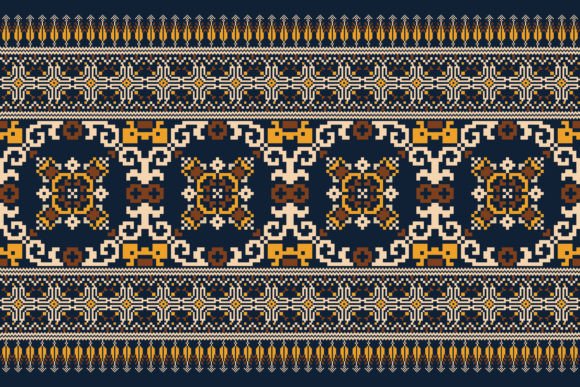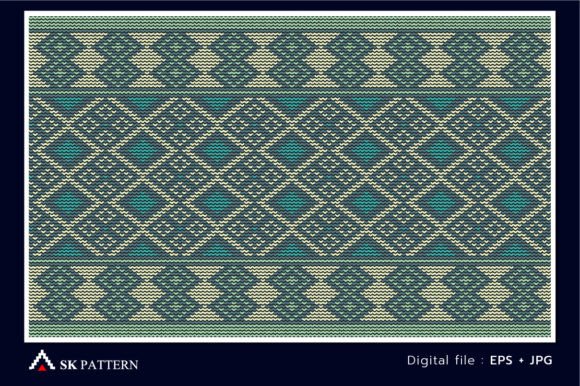
Cross Stitch Pattern, Embroidery Design Review
As an embroidery seller who has spent years navigating the competitive world of handmade goods, I am always on the lookout for designs that offer versatility and visual appeal. When browsing Creative Fabrica embroidery options, I recently came across a listing titled Cross Stitch Pattern, Embroidery Design. Before adding this to my collection or recommending it to fellow crafters, I like to evaluate how it fits into real-world product lines. This review is based on the product description provided and my experience with creating successful Etsy listings and handmade products.
Visual Personality and Market Fit
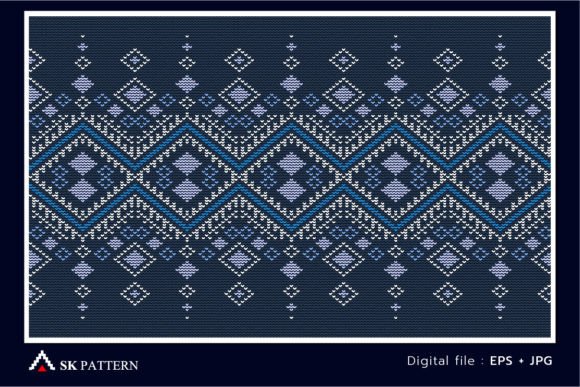
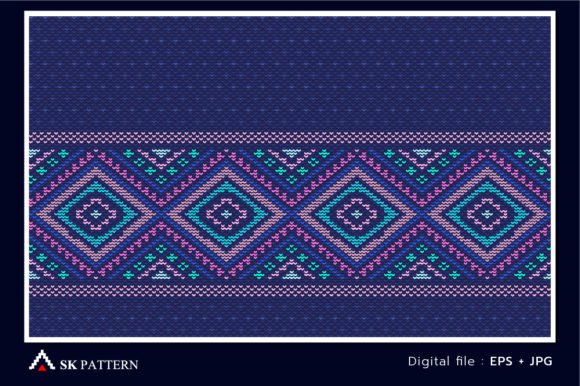
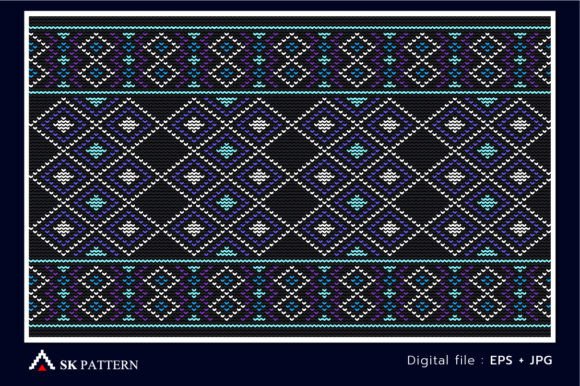
The title Cross Stitch Pattern, Embroidery Design suggests a classic aesthetic that leans towards rustic, elegant, or perhaps playful depending on the actual imagery. For a small shop owner, understanding the "vibe" is crucial before investing time in production. The description highlights its suitability for wall art, floor pillows, throw blankets, and tapestries. This immediately signals that the design likely possesses a strong central motif that works well as a focal point.
In my experience, designs that are marketed for both home decor (like cushions) and apparel (like dresses or scarves) usually strike a balance between boldness and intricacy. It feels like a design that could be either a statement piece or a subtle accent. If you are looking to create a boutique merchandise line, this type of pattern often appeals to buyers seeking something that feels personalized gift-ready but also professionally finished. Whether your brand is modern, feminine, or minimal, having a versatile embroidery file allows you to adapt the look by simply changing thread colors or fabric choices.
Product Ideas for Your Shop
One of the biggest challenges for Etsy sellers is generating fresh ideas without overextending resources. The description explicitly mentions items like tote bags, sweatshirts, baby blankets, kitchen towels, aprons, patches, pillow covers, caps, and personalized gifts. This range tells me that the Cross Stitch Pattern, Embroidery Design is scalable and adaptable.
- Tote Bag Design: A cross-stitch style pattern adds a charming, artisanal touch to canvas totes. It elevates a simple bag into a unique accessory that stands out in social media previews.
- Sweatshirt Embroidery: For custom apparel, this design can serve as a chest logo or a large back print. It offers a cozy, handmade feel that customers love in seasonal collections.
- Baby Embroidery: Soft fabrics like muslin or fleece pair beautifully with this style. Creating a baby blanket or a onesie with this pattern can tap into the lucrative market for personalized gifts for new parents.
- Kitchen Towel Embroidery: These are high-volume sellers at craft fairs. A durable design that holds up to washing makes for excellent functional decor.
- Embroidered Patch: You can cut out sections of the design to create iron-on patches for jackets or denim, expanding your product line without needing complex digitizing skills.
Buyer-Focused Value
Why would a customer choose a product featuring this specific design? In the digital age, photography is everything. A well-executed Cross Stitch Pattern, Embroidery Design translates exceptionally well into printable mockups and product photography. The texture implied by cross-stitch patterns catches light beautifully, making images more attractive to online shoppers.
Furthermore, designs that look like traditional needlework often carry a sense of heritage and care. This helps a product feel more memorable and less mass-produced. When a buyer sees a finished product with this level of detail, they perceive higher value, which justifies a premium price point. It transforms a standard item, like a kitchen towel, into a special keepsake. This emotional connection is vital for building a loyal customer base for your craft business.
Practical Seller Notes and Planning
Before you rush to list these items, there are practical steps every experienced seller takes. The product description mentions files included: 1 eps file and 1 jp (likely JPEG). While this gives you vector and raster options, it does not specify stitch counts, machine compatibility, or hoop sizes. As a responsible digital embroidery file user, you must verify these details on the Creative Fabrica product page.
- Create a Sample Stitch-Out: Never skip this step. Test the design on a scrap of your intended fabric to see how the stitches lay. Check the stitch density; if it is too dense, it might pucker delicate fabrics like those used for scarves or dresses.
- Check Hoop Size: Ensure the design fits within your standard hoops (e.g., 4x4, 5x7, 6x10 inches). If the design is larger than your machine's capacity, you may need to split it, which adds complexity to your workflow.
- Thread Color Options: Experiment with different thread colors to match various palettes. A neutral thread color might make the design suitable for unisex items, while vibrant threads could target a younger demographic.
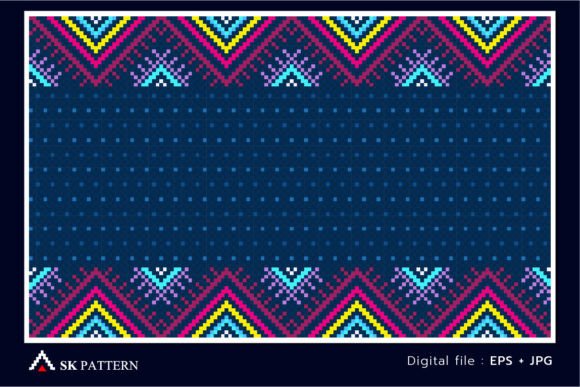
- Readability at Thumbnail Size: Zoom out and view the design as a small thumbnail. Will the details get lost in search results? A good embroidery design should have enough contrast and definition to be recognized even when viewed on a mobile device.
- Licensing Confirmation: Always review the Creative Fabrica licensing terms before selling finished goods. Some licenses allow commercial use, while others restrict the number of items you can sell. Understanding these rules protects your small shop from legal issues.
Conclusion for the Creative Entrepreneur
Adding a Cross Stitch Pattern, Embroidery Design to your inventory can be a strategic move for diversifying your offerings. Whether you are preparing for a craft fair, updating your Etsy shop, or launching a new line of custom apparel, this type of pattern offers a blend of charm and professionalism. By testing the design thoroughly and understanding its potential applications—from wall art to gift wrapping—you can maximize its value.
For any embroidery business owner, the key is to start with a solid plan. Use the provided files to create prototypes, photograph them on real fabric, and gauge the reaction. With the right preparation, this design can become a staple in your catalog, helping you build a reputation for quality and creativity. Remember, the success of your commercial embroidery venture often depends on the attention to detail you put into the planning phase.