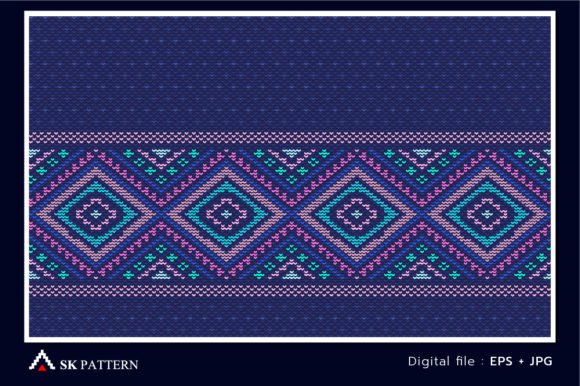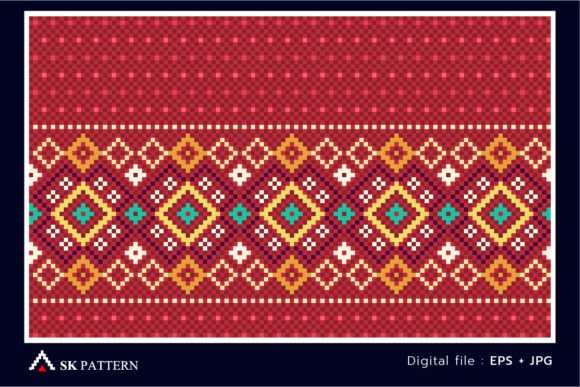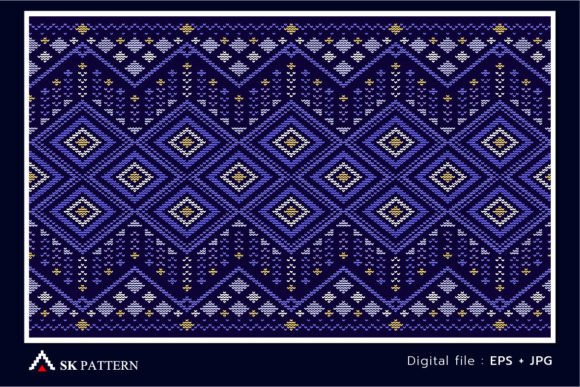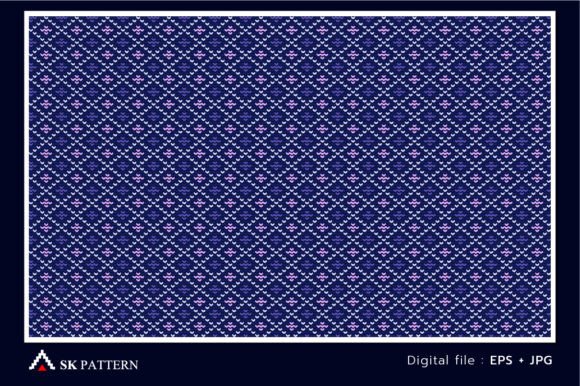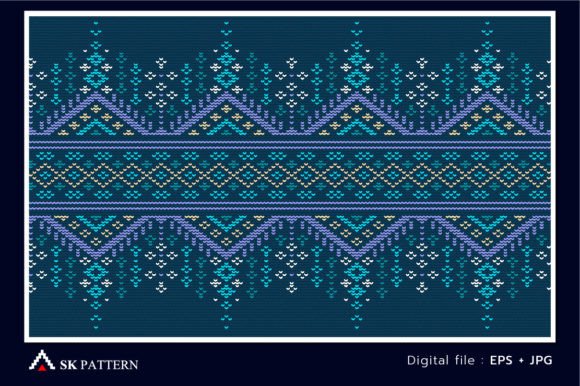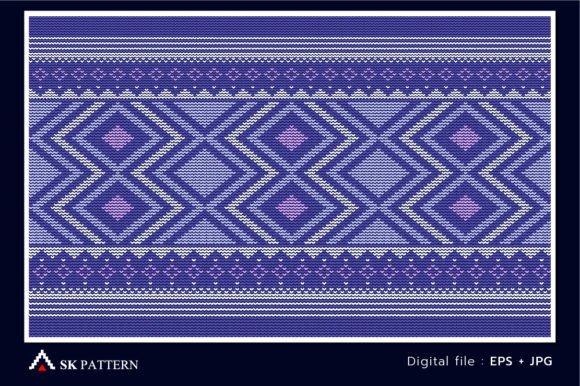
Embroidery Pattern, Knitted Background Review
As a professional embroidery designer who has spent years refining designs for small business merchandise and branded patches, I approach every new asset with a critical eye. When I first encountered the Embroidery Pattern, Knitted Background, my immediate thought was how this specific graphic could elevate a brand's visual identity beyond simple decoration. The description suggests it is perfect for wall art, floor pillows, throw blankets, tapestries, scarves, cushions, dresses, skirts, gift wrapping, and much more. While these applications are valid, the true potential of this design lies in its versatility as a foundational element for commercial embroidery projects.
The First Impression: Texture Meets Professionalism
The title Embroidery Pattern, Knitted Background immediately sets a tone that is both rustic and refined. In the world of handmade products and boutique branding, texture is everything. A knitted aesthetic evokes feelings of warmth, comfort, and artisanal quality. For a small café, a creative studio, or a local florist, this design offers a way to communicate "handmade" without relying on cliché fonts or overused icons. It feels friendly yet structured, making it suitable for brands that want to appear premium but accessible. Whether used as a subtle backdrop or a bold accent, the design promises to add depth to any finished product.
Real-World Applications for Small Business Merch
Imagine a scenario where a local bakery wants to launch a line of branded merchandise. They need staff uniforms, aprons, and tote bags that customers will actually want to use. This is where an embroidery file like Embroidery Pattern, Knitted Background becomes a strategic asset. Instead of placing a standard logo directly on a heavy-duty work shirt, you can use this pattern as a background panel or a textured border. This approach creates a layered look that elevates the perceived value of the uniform.
For apparel decorators and merch creators, the possibilities extend to custom caps and chest logos. A knitted background can serve as an excellent base for a patch, adding a tactile dimension that flat prints cannot achieve. When applied to a cap design or a tote bag mark, the design adds a sense of craftsmanship that resonates with consumers looking for authentic, handmade product experiences. Even for product packaging accents, stitching this pattern onto a garment tag or a hangtag can transform a generic item into a memorable brand touchpoint.
In the context of Etsy branding and craft business assets, this design acts as a powerful differentiator. Customers often buy from small businesses because they appreciate the unique story behind the maker. Using Embroidery Pattern, Knitted Background on items like embroidered patches for denim jackets or sleeve details on work shirts reinforces that narrative. It signals to the buyer that attention to detail matters, fostering trust and recognition for the brand.
Strategic Considerations and Limitations
While the design holds great promise, an experienced designer knows that not every application is suitable. There are specific scenarios where Embroidery Pattern, Knitted Background requires careful evaluation before production begins. One major concern is stitch density. If the pattern relies on high stitch counts to create the knitted effect, it may become too stiff for lightweight fabrics or delicate items like scarves. Additionally, the design might struggle on dark uniforms if the thread colors do not provide sufficient contrast against the fabric.
Small patch sizes present another challenge. When reducing a detailed pattern to fit on a tiny badge or a specific area of a uniform, intricate outlines can merge together, losing their definition. Similarly, applying this design to curved surfaces like cap fronts requires precise digitizing to ensure the pattern follows the curvature naturally rather than bunching up. Items that need frequent washing, such as commercial kitchen aprons, also demand durability checks. If the stabilizer choice is incorrect or the hoop size is too tight, the tension can distort the knitted look over time.
Furthermore, while the product description mentions files included (1 eps file - 1 jp), it does not specify the exact machine embroidery format. As a digital embroidery file buyer, you must verify that the final output is compatible with your specific embroidery machine. Relying solely on the vector or raster preview without testing the actual stitch data can lead to costly errors during production.
Impact on Brand Identity and Customer Trust
The decision to use a specific design asset like Embroidery Pattern, Knitted Background goes beyond aesthetics; it impacts your brand identity. Consistency in visual language helps customers recognize your business instantly. If you use this pattern across your small business merch—from apron embroidery to product labels—you create a cohesive visual system. This consistency tells the customer that your business is organized and professional.
Moreover, the tactile nature of embroidery builds a stronger emotional connection than printed graphics. When a customer touches a tote bag or a cap featuring this design, the texture invites engagement. This sensory experience enhances the perceived value of the product, allowing you to command higher prices for your goods. It transforms a simple utility item into a piece of wearable art that aligns with modern trends in sustainable and artisanal fashion.
Practical Designer Notes for Production
Before committing to a full production run, I always recommend a rigorous testing phase. Start by converting the design to black and white to check the silhouette and spacing. Ensure that the negative space works well at various scales. Next, review the thread color contrast. A knitted pattern often relies on shading; ensure your thread palette captures this depth effectively.
Inspect the spacing closely. If the stitches are too close, the fabric may pucker; if they are too far apart, the texture will be lost. Confirm the hoop size requirements early to avoid issues with larger garments like throw blankets or large tapestries. Always test on real fabric rather than just paper mockups. Fabric texture plays a massive role in how the design sits on the surface. A loose weave might distort the pattern, while a tight knit might hide the detail.
Use proper stabilizer to support the design, especially if you are working with stretchy materials like t-shirts or caps. Creating a printable mockup for client approval is also a smart step to manage expectations before the needle ever touches the fabric. Finally, compare this design beside other design assets to ensure it fits within your existing brand guidelines. Most importantly, confirm the commercial licensing terms. Just because you have an EPS or JPG file does not automatically grant you the right to sell thousands of embroidered items. Verify that you have the necessary permissions for commercial embroidery use.
By treating Embroidery Pattern, Knitted Background as a strategic tool rather than just a decorative element, small business owners and designers can unlock its full potential. Whether you are creating custom apparel, branded patches, or unique gift items, this design offers a versatile foundation for building a strong, recognizable brand presence in the competitive market of handmade goods.