Square Knitted Pattern Embroidery Vector Review
As an embroidery designer who has spent years turning digital files into tangible products for weekend craft fairs and online boutiques, I know that the difference between a stall that clears out by noon and one that sits empty lies in the design choices. When I first saw Square Knitted Pattern Embroidery Vector, my mind immediately went to the upcoming market season. The title suggests something tactile and cozy, which is exactly what customers are craving in handmade goods right now. In this review, I am breaking down how this specific design asset performs as a machine embroidery design for real-world applications like tote bags, aprons, and home decor.
First Impressions: The Cozy Aesthetic of Square Knitted Pattern Embroidery Vector
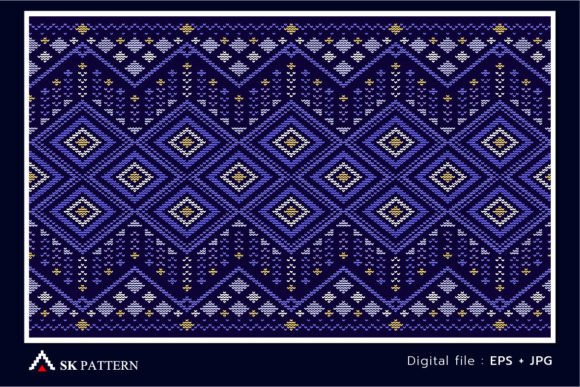
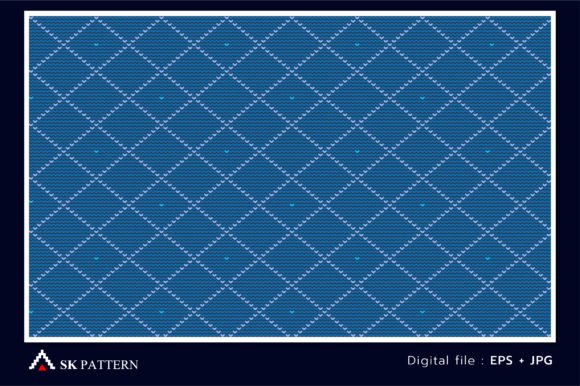
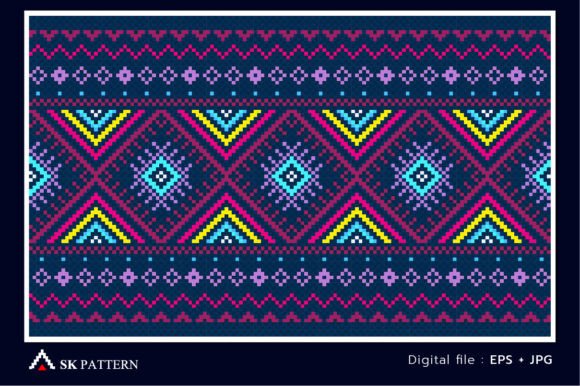
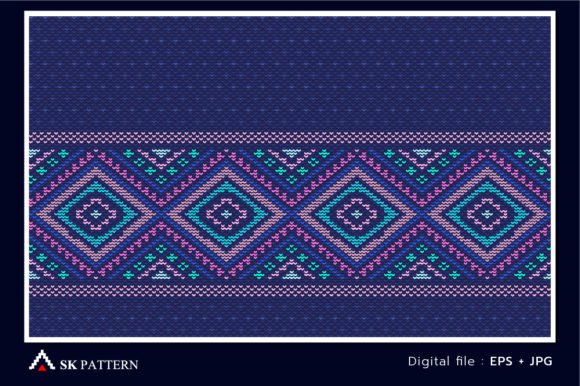
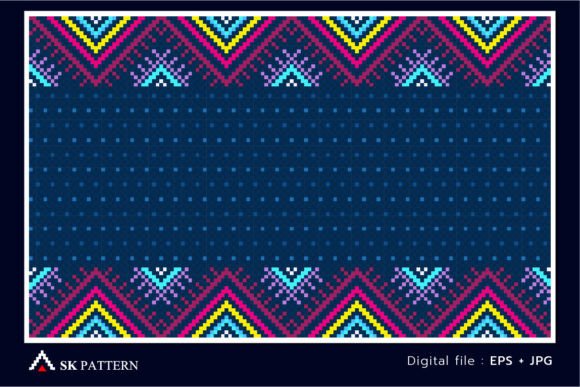
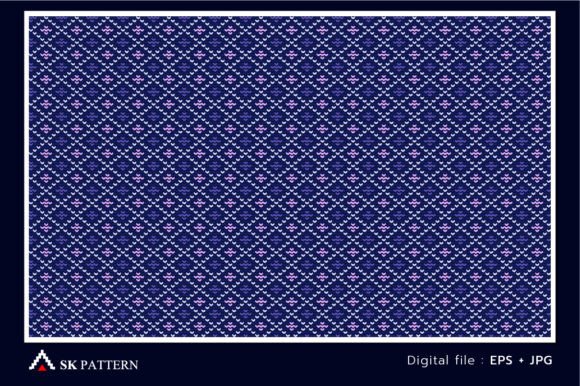
The moment you look at Square Knitted Pattern Embroidery Vector, it feels undeniably rustic yet modern. The concept of a knitted texture translated into stitches offers a unique visual appeal that stands out against standard floral or geometric motifs. It feels soft, decorative, and premium without being overly ornate. For a booth display, this kind of pattern screams "handmade quality." It evokes the feeling of sitting in a warm living room with a throw blanket, which translates perfectly to items like floor pillows, cushions, and throw blankets.
This design does not feel like a generic clip art; it has substance. The square format provides a structured frame that works beautifully as a focal point on larger items while remaining balanced enough to serve as an accent on smaller accessories. Whether you are targeting the farmhouse aesthetic or the modern minimalist crafter, Square Knitted Pattern Embroidery Vector hits the sweet spot of being trendy but timeless.
Product Potential: Where This Design Sells Best
I have tested hundreds of designs on various substrates, and I can tell you where Square Knitted Pattern Embroidery Vector will shine brightest. Its versatility makes it a powerhouse for any craft fair product lineup. Here is how I would deploy this design across different categories:
- Tote Bags and Market Bags: A large, textured square on the front of a canvas tote bag creates an instant statement piece. Customers love functional art, and this pattern adds a layer of depth that flat prints cannot match.
- Apron Embroidery: For the kitchen enthusiast, placing this design on the bib of a linen apron elevates a utilitarian item into a gift-worthy piece. The knitted look mimics the warmth of homemade baking.
- Tea Towel Embroidery: This is a high-volume seller. The repetitive nature of a square pattern allows for creative layout options, such as centering the design or creating a border effect along the hem.
- Pillow Covers and Floor Pillows: As mentioned in the description, these are perfect for wall art or soft furnishings. The texture of the embroidery catches the light differently than screen printing, making the pillow cover look more expensive and luxurious.
- Embroidered Patches and Caps: If digitized correctly, the clean lines of the square work well as a patch sewn onto denim jackets or caps. However, this requires careful attention to the edge finish.
- Fabric Pouches and Gift Wrapping: Small pouches make excellent low-cost impulse buys at a booth. A single embroidered square on a drawstring bag is a charming addition to a gift set.
Visual Appeal and Customer Attention
In a busy market setting, your display needs to stop people in their tracks. Square Knitted Pattern Embroidery Vector excels here because of its textural promise. Even from a distance, the raised stitches suggest a tactile experience that draws buyers closer. When photographing these items for an Etsy listing or social media, the interplay of light and shadow on the "knitted" stitches adds a professional touch that increases perceived value. It signals to the buyer that this is a small shop product made with care, justifying a higher price point.
Production Practicality for Embroidery Business Owners
While the aesthetic is strong, a profitable business relies on production efficiency. When evaluating this as a digital embroidery file, we must consider how easy it is to stitch out repeatedly without issues.
Scalability and Batch Production: The square shape is inherently repeatable. You can easily create variations by changing thread colors or fabric backgrounds while keeping the core design consistent. This consistency is vital for brand identity. If you are producing a run of twenty tea towels, this design should maintain its integrity throughout the batch.
Stitch Density and Detail: One of the most critical aspects of any embroidery file is stitch density. Since the design mimics knitting, it likely involves fill stitches or complex satin work. Before committing to a full production run, you must test the design on scrap fabric. Check if the stitch density is too heavy for delicate fabrics like silk scarves or if it is too light for thick canvas. Dense areas can sometimes cause puckering if the wrong stabilizer is used.
Hoop Size and Placement: The dimensions of the square will dictate your hoop size. Ensure that the design fits within the maximum hoop capacity of your machine if you plan to embroider larger items like table runners or wide tote bags. If the design is intended to be small, verify that the details remain sharp and do not blur together when stitched at a reduced scale.
Crucial Considerations for Fabric and Thread
To get the best results with Square Knitted Pattern Embroidery Vector, you need to pay attention to material selection. Dark fabrics can hide the texture of the stitches, so using high-contrast thread colors is essential. Conversely, on light fabrics, ensure the thread count is sufficient to cover the background completely.
If you are working with textured towels or thick fleece, you may need a heavier cutaway stabilizer to prevent the fabric from shifting. Curved surfaces, like baseball caps, present a different challenge; the square pattern might distort if the cap's curvature is too pronounced. In those cases, testing on a curved surface mockup is non-negotiable.
Technical Notes for Digital Sellers and Crafters
For those selling this as a printable mockup or offering custom services, clarity is key. The product description mentions files included, specifically noting 1 EPS file and 1 JPG. While exact stitch counts and specific file formats for embroidery machines (like .DST or .PES) are not explicitly detailed in the summary provided, it is crucial to verify these technical specifications before purchasing or using the design commercially.
Commercial Licensing: Always confirm the commercial licensing terms before selling finished products. Some designs allow for unlimited sales, while others require a per-item fee. Ignoring this can lead to legal issues down the line.
Testing Protocol: My advice to all Etsy sellers and boutique makers is simple: create at least one real mockup. Do not rely solely on digital renderings. Stitch the design out, wash the item, and inspect it under bright light. Look for loose threads, tension issues, or areas where the "knitted" effect loses definition. This due diligence ensures that every finished product you send to a customer reflects the highest standard of craftsmanship.
Final Verdict: A Strong Addition to Your Booth
Square Knitted Pattern Embroidery Vector is a versatile and visually compelling asset for anyone looking to expand their commercial embroidery offerings. Its ability to bridge the gap between rustic charm and modern design makes it suitable for a wide range of demographics. From the cozy appeal of a cushion cover to the practical elegance of an apron, this design has the potential to become a staple in your inventory.
By paying attention to fabric texture, thread contrast, and proper stabilization, you can transform this vector graphic into a best-selling physical item. Whether you are a seasoned pro or a new creative entrepreneur, adding this pattern to your collection is a smart move for capturing the hearts of craft fair shoppers and online buyers alike. Just remember to test, verify your technical specs, and always prioritize quality in your final output.