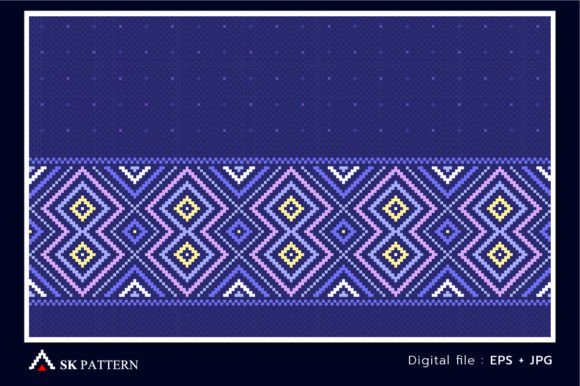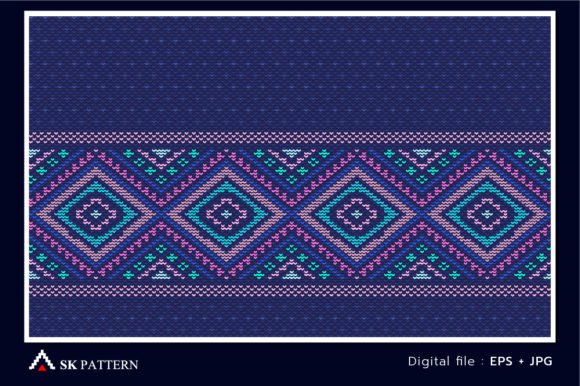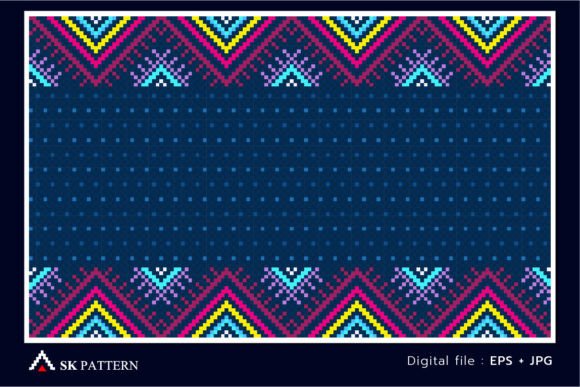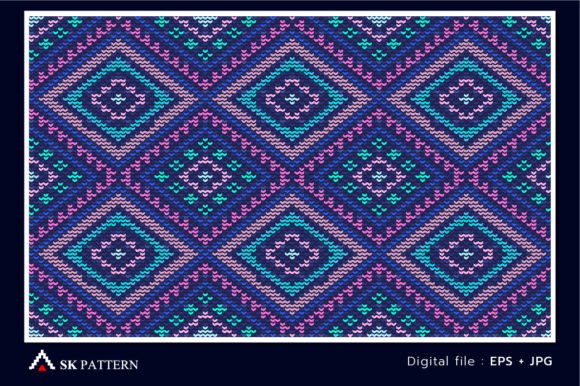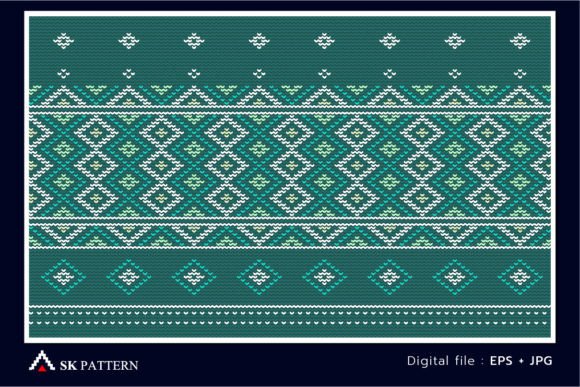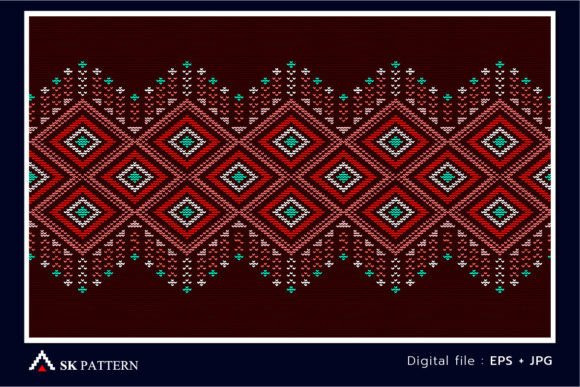
Embroidery Repetitive Boho Style Design Review
As an experienced embroidery designer who has spent years refining machine embroidery design for commercial clients, I approach every new asset with a critical eye. When evaluating the Embroidery Repetitive Boho Style Design, my focus shifts immediately from artistic appreciation to practical application. For small business owners, Etsy sellers, and apparel decorators, this isn't just about aesthetics; it is about creating a cohesive brand identity that survives the rigors of production and wear.
The title itself suggests a pattern-based aesthetic, while the description highlights versatility across items like wall art, floor pillows, throw blankets, and scarves. However, when we translate this into the realm of embroidered patch creation or branded merchandise, the conversation changes. This review breaks down how this design performs in real-world business scenarios, focusing on its potential as a key visual element for your brand.
First Impressions: Visual Personality and Brand Alignment
Upon initial inspection, the Embroidery Repetitive Boho Style Design exudes a friendly yet professional vibe. The "boho" descriptor implies a rustic, handmade, and perhaps slightly playful personality. In the context of brand identity, this style resonates strongly with creative studios, boutique shops, bakeries, florists, and pet brands that want to convey warmth and authenticity. It feels less corporate and more artisanal, which can significantly boost customer engagement for businesses targeting a lifestyle-oriented audience.
This design does not scream "loud marketing"; instead, it whispers "quality craftsmanship." For a handmade product line, this visual consistency is crucial. It suggests that the finished product—whether it is a tote bag, a dress, or a cushion—was created with care. When used correctly, the repetitive nature of the pattern creates a sense of abundance and richness without overwhelming the viewer. It is a design that supports a premium feel, elevating the perceived value of the small business merch it adorns.
Real-World Application for Merchandise and Uniforms
The true test of any digital embroidery file lies in its adaptability. Let us imagine a local café or a boutique owner looking to integrate this design into their operations. How does the Embroidery Repetitive Boho Style Design translate to physical items?
Custom Apparel and Staff Uniforms: For staff uniforms, this design could serve as an excellent chest logo accent or a subtle sleeve detail. Unlike a solid block logo, a repetitive boho pattern adds texture and depth to work shirts and aprons. It transforms a standard uniform into a branded experience. When applied to apron embroidery, the pattern can wrap around the waist or form a decorative border, reinforcing the handmade ethos of a bakery or craft shop.
Branded Patches and Caps: Creating an embroidered patch using this design is a strategic move for retail brands. A patch featuring this pattern can be sewn onto denim jackets, caps, or backpacks sold as part of a collection. For cap embroidery, the repetitive nature works well if the motif is scaled appropriately, offering a textured look that stands out against fabric. It serves as a wearable advertisement that customers are proud to display.
Tote Bags and Product Packaging: The description mentions suitability for gift wrapping and tapestries. In a commercial setting, this translates perfectly to tote bag design. A large-scale print of the pattern on a canvas tote makes for a high-value promotional item. Furthermore, incorporating elements of this design into product packaging accents or labels can create a unified unboxing experience, increasing customer trust and recognition.
Critical Considerations for Production Success
While the potential is high, a professional designer knows that execution is everything. There are specific areas where the Embroidery Repetitive Boho Style Design requires careful handling to ensure the finished product meets quality standards.
Size and Detail Limitations: If you plan to use this design for a small patch size or tiny lettering on a cap front, caution is advised. Repetitive patterns can become muddy if the stitch density is too high relative to the available space. On curved surfaces, such as the front of a baseball cap, the pattern must be digitized specifically to accommodate the curvature, or it may pucker and distort. Always check the spacing between elements before committing to mass production.
Fabric and Thread Selection: The success of this design depends heavily on thread colors and fabric texture. On dark uniforms, you will need a high-quality underlay and potentially a higher stitch count to ensure the pattern pops without showing the base fabric. Conversely, on light, textured fabrics like linen or burlap, the design might get lost if the contrast is not sharp. Testing on the actual material is non-negotiable.
Wash Durability: For items that require frequent washing, such as work shirts or kitchen aprons, the stability of the stitches is paramount. High-density areas in a repetitive pattern can sometimes cause fabric puckering over time if not stabilized correctly. You must use the proper stabilizer for the specific garment type to prevent distortion after multiple wash cycles.
Strategic Notes for the Embroidery Designer
To maximize the value of the Embroidery Repetitive Boho Style Design, follow these practical steps before launching your commercial project:
- Test in Black and White: Before finalizing thread choices, run a test in monochrome. This helps you evaluate the balance and flow of the pattern without the distraction of color.
- Verify File Specifications: The product listing mentions an EPS file and a JPG image. As a buyer of design assets, you must verify if these files include the actual machine embroidery format (like .DST or .PES). If they are vector graphics only, you will need to convert them carefully to avoid losing detail.
- Hoop Size and Layout: Confirm the hoop size required for the full pattern. Large repetitive designs often require multi-hoop setups, which increases production time and cost. Ensure your workflow can handle this complexity.
- Create a Printable Mockup: Use the provided image to create a printable mockup for client approval. Show stakeholders exactly how the pattern looks on a tote bag or cap before you cut any fabric.
- Commercial Licensing: Before using this design for commercial embroidery projects, explicitly confirm the licensing terms. Ensure you have the right to sell products featuring this design.
Impact on Brand Value and Customer Trust
When executed with precision, the Embroidery Repetitive Boho Style Design becomes more than just a decoration; it becomes a signature of your brand. Consistency in visual presentation builds customer trust. A customer seeing a beautifully embroidered patch on a tote bag or a crisp logo on an apron associates that quality with the entire business.
This design fosters a sense of community and shared values among buyers who appreciate the handmade product aesthetic. By integrating this pattern into your custom apparel and accessories, you signal that your business cares about details. Whether you are a florist adding a label to your bouquets or a pet brand stitching tags onto collars, this design offers a versatile tool to enhance your brand identity.
In conclusion, the Embroidery Repetitive Boho Style Design is a robust option for small business owners looking to elevate their merchandise. Its strength lies in its ability to blend artistic flair with functional branding. However, success relies on the designer's ability to manage stitch density, select appropriate materials, and adhere to strict quality control measures. With the right preparation, this design can transform simple items into memorable brand experiences.