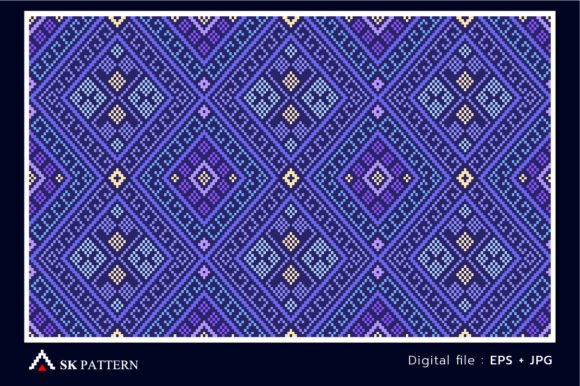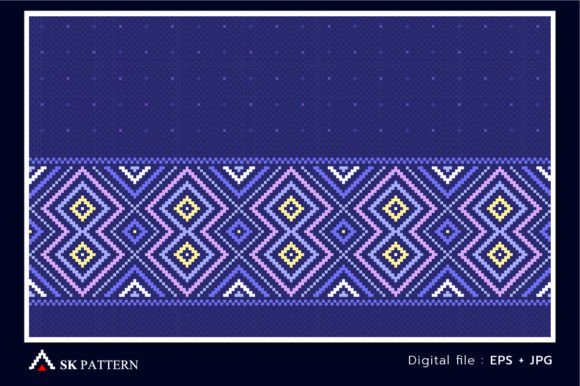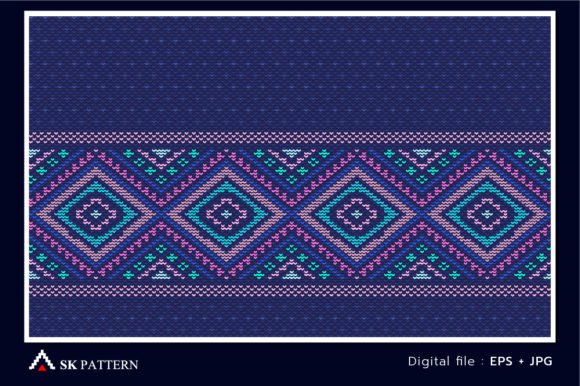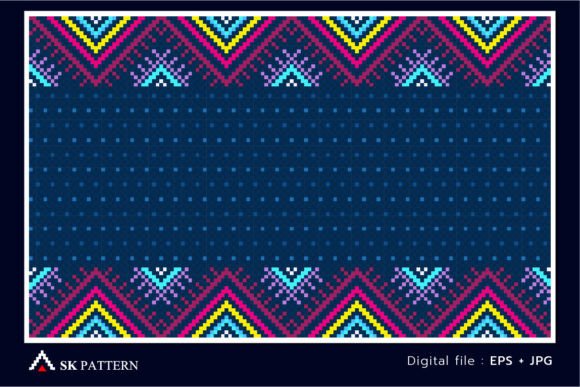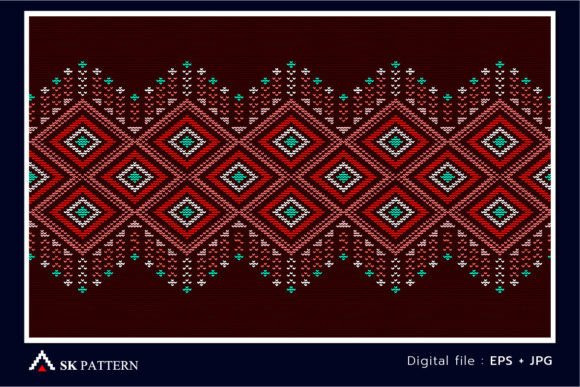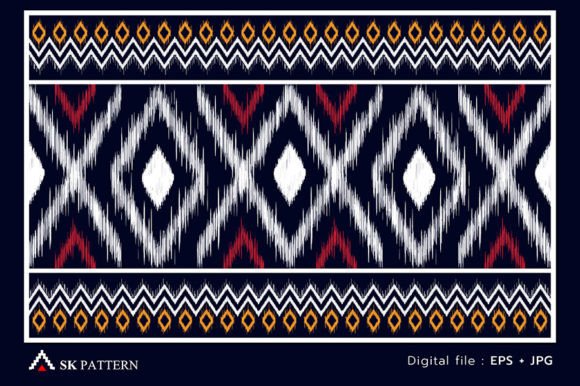
Embroidery Line Textile Wallpaper Design
As an embroidery designer who has spent years translating digital vectors into tangible, stitched goods for small businesses, I approach every new asset with a mix of creative excitement and technical skepticism. When I first reviewed Embroidery Line Textile Wallpaper Design, my immediate thought was not about decoration, but about application. This is not merely a pretty image; it is a potential cornerstone for brand identity. The product description highlights an "Ethnic pattern vector" and a "Geometric handcraft motif background," which suggests a design that balances structure with organic warmth. For the modern entrepreneur—whether running a boutique café, a handmade jewelry shop, or a local florist—this distinction is crucial. It bridges the gap between mass-produced uniformity and the premium feel of handmade product branding.
First Impressions: Visual Personality and Brand Alignment
The title, Embroidery Line Textile Wallpaper Design, implies a texture and continuity that works exceptionally well for surface coverage, yet the mention of "geometric handcraft motifs" suggests distinct elements that can be isolated for specific uses. Visually, this design likely carries a rustic yet professional tone. It feels grounded, suggesting authenticity—a key driver for customer trust in today’s market. Unlike overly ornate baroque styles that can clutter small spaces, geometric patterns offer clarity. They read well from a distance, making them ideal for brand identity applications where recognition is paramount. The "line textile" aspect hints at clean outlines, which is a green flag for digitization, as clean lines generally translate better to stable stitches than fuzzy, complex gradients.
Real-World Business Applications
In the realm of small business merch, versatility is currency. Here is how Embroidery Line Textile Wallpaper Design can transform standard items into branded assets:
- Embroidered Patches: The geometric nature of this design makes it perfect for chest logos or sleeve accents on staff uniforms. Because it is described as a vector, it can be scaled without losing integrity, ensuring your embroidered patch looks sharp whether it is 2 inches or 4 inches wide.
- Apron Embroidery: For bakeries, cafes, or craft studios, aprons are walking billboards. Using the full wallpaper design as a background texture behind a central logo, or using the ethnic motifs as a border, adds a layer of sophistication that plain white aprons lack.
- Cap Embroidery: Caps require designs that withstand curvature. A simplified version of the geometric motif works beautifully on the front panel of baseball caps or bucket hats, offering a subtle nod to the brand without overwhelming the wearer.
- Tote Bag Design: Tote bags are essential for Etsy branding and event merchandise. The high-resolution nature of the source file (5665 x 3500 pixels) ensures that even large-scale prints or extensive embroidery areas remain crisp. This design elevates a simple canvas bag into a premium retail item.
- Product Packaging Accents: Beyond apparel, this design asset can be used on hang tags, thank-you cards, or fabric-wrapped boxes, creating a cohesive unboxing experience that reinforces visual consistency.
Technical Considerations and Strategic Placement
While the visual appeal is strong, an experienced designer knows that aesthetics must meet mechanical reality. Not every part of Embroidery Line Textile Wallpaper Design should be embroidered everywhere. There are critical zones where this design requires careful handling:
- Small Patch Sizes: If you attempt to stitch the entire intricate pattern on a tiny patch (under 1.5 inches), the details will merge into a muddy blob. In such cases, isolate the strongest geometric element rather than the whole composition.
- High Stitch Density: Ethnic patterns often involve dense fills. On delicate fabrics like silk or thin rayon, this weight can cause puckering. Always assess the stitch density relative to the base material.
- Curved Surfaces: When placing this design on the curved front of a cap, ensure the digitizer accounts for compression. Flat designs often distort on curves, so slight adjustments may be needed to maintain the geometric integrity.
- Detailed Outlines: Fine lines can break during production if the thread tension is off or if the fabric is slippery. Test these lines thoroughly before committing to a large run.
- Fabric Texture: On heavily textured fabrics like chunky knits or raw denim, fine details may get lost. This design shines best on smooth cottons, linens, or structured twills commonly used for custom apparel.
Impact on Brand Identity and Customer Trust
Investing in quality commercial embroidery signals professionalism. When a customer sees a well-executed embroidery file featuring Embroidery Line Textile Wallpaper Design on a tote bag or apron, they perceive value. It suggests attention to detail. Poorly executed embroidery screams "cheap," but precise stitching on a complex geometric pattern screams "curated." This enhances buyer engagement because customers associate the tactile quality of the stitch with the quality of your core products. Furthermore, consistent use of this pattern across various touchpoints—from staff uniforms to packaging—builds a memorable brand identity that stands out in crowded marketplaces like Etsy or local craft fairs.
Practical Designer Notes for Production
Before sending any design to the machine, follow these essential steps to ensure success:
- Test in Black and White: Strip away color to check contrast and readability. If the design fails in monochrome, it will struggle in color.
- Check Thread Color Contrast: Ensure the chosen threads pop against the fabric. Light threads on dark fabric (or vice versa) are usually safest for maintaining legibility.
- Inspect Spacing: Look closely at the negative space within the geometric motifs. Crowded stitches can look messy; adequate spacing allows the design to breathe.
- Confirm Hoop Size: Verify that the final design dimensions fit comfortably within your machine’s maximum hoop size, leaving room for stabilization.
- Use Proper Stabilizer: Heavy designs require heavy stabilizers. Cut-away stabilizers are recommended for garments that will undergo frequent washing, while tear-away might suffice for temporary items like event shirts.
- Create a Printable Mockup: Before cutting fabric, create a printable mockup to show clients or stakeholders. This helps visualize the final finished product and secures approval.
- Compare Beside Other Assets: Place this design next to your existing logos. Does it complement them? Does it clash? Cohesion is key for a polished look.
- Confirm Commercial Licensing: The product includes 1 EPS file and 1 JPG. Ensure your license agreement permits commercial use on merchandise for resale. Do not assume; verify the terms.
Ultimately, Embroidery Line Textile Wallpaper Design offers a robust foundation for businesses looking to elevate their physical presence. By respecting its technical requirements and leveraging its geometric charm, you can create design assets that not only look beautiful but drive sales and build lasting customer loyalty.