Red and White Embroidery Pattern Review
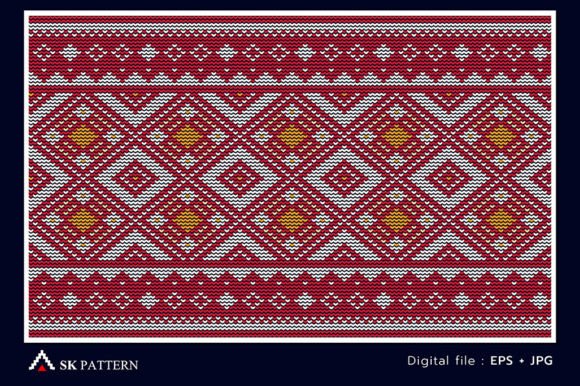
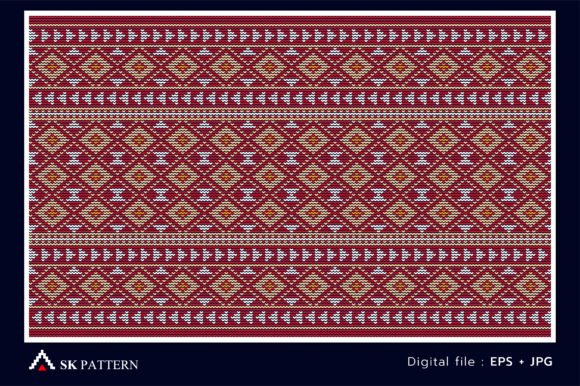
As a professional embroidery designer who has spent years turning digital files into tangible brand assets, I approach every new asset with a critical eye. When evaluating the Red and White Embroidery Pattern, I am not just looking at how it looks on a screen; I am assessing its viability for real-world small business applications. This design is categorized under Patterns and Graphics, described as a Knitted Decorative Background with Vector Fashion Antique wallpaper and Ikat Repeat qualities. While the description suggests suitability for wall art, floor pillows, and throw blankets, my review focuses strictly on its potential for branded merchandise, embroidered patches, and custom apparel.
First Impressions: A Blend of Vintage and Modern
The initial visual impact of the Red and White Embroidery Pattern is striking. The combination of red and white creates an immediate sense of boldness and clarity. In the world of branding, this color palette often evokes feelings of classic Americana, rustic charm, or playful energy. The "Antique wallpaper" and "Ikat Repeat" descriptors suggest a texture that feels handmade yet structured. For a small business owner, this translates to a design that can feel premium without being overly corporate. It strikes a balance between elegant and accessible, making it an excellent candidate for boutique brands, artisanal bakeries, florists, or creative studios that want to convey a sense of tradition and quality.
However, the "knitted" aspect implies a specific texture that must be translated carefully into thread. If the original vector captures the nuance of a knit fabric, the machine embroidery will need to mimic that organic flow rather than appearing too rigid. This adds a layer of sophistication that elevates the finished product from a simple logo to a piece of wearable art.
Real-World Application for Small Business Merch
The true test of any embroidery file lies in its performance across various products. The Red and White Embroidery Pattern offers significant versatility for small business merch. Its repeating nature makes it particularly effective for creating large-scale branded items where the pattern itself becomes the statement.
Consider a local café or bakery. Using this design for apron embroidery could create a stunning back-panel detail that customers love to photograph. The high contrast of red and white ensures visibility even on dark-colored aprons, provided the thread selection is optimized. For staff uniforms, this pattern works beautifully as a chest logo accent or a sleeve detail. It adds a touch of personality to work shirts without overwhelming the wearer, reinforcing brand identity through consistent visual cues.
In the realm of accessories, this design shines for tote bag design. A repeating Ikat-style pattern fills the canvas of a tote bag effectively, turning a standard promotional item into a desirable fashion accessory. Similarly, for cap embroidery, the pattern can serve as a background texture behind a central monogram or be used as a standalone patch on the front panel. The antique aesthetic pairs well with denim caps, adding a vintage flair that appeals to crafters and lifestyle brands.
Furthermore, this design is ideal for creating custom embroidered patches. Whether for a pet brand, a florist, or a handmade shop, these patches can be sewn onto jackets, bags, or hats as collectible items. They function as powerful marketing tools, increasing customer trust and recognition by putting a high-quality, textured mark on everyday items.
Strategic Use Cases
- Event Merchandise: Create limited edition run of branded product add-ons for trade shows or pop-up markets.
- Product Packaging: Use the pattern as a printed label or a stitched accent on gift boxes to enhance unboxing experiences.
- Etsy Branding: Leverage the design for printable mockups to showcase your shop's aesthetic before production begins.
- Commercial Embroidery: Utilize the repeat structure for bulk orders of custom apparel where consistency is key.
Critical Considerations and Limitations
While the potential is high, an experienced designer knows that not every design fits every application. There are specific scenarios where the Red and White Embroidery Pattern requires careful handling. The intricate details implied by "antique wallpaper" and "knitted decor" can pose challenges when scaling down.
If you plan to use this for small patch sizes or fine details on curved surfaces like cap fronts, the stitch density may become an issue. Too much detail in a small area can lead to thread breakage or a muddy appearance where the red and white threads blend together. Tiny lettering or delicate outlines within the pattern might get lost during the stitching process, especially on textured fabrics.
Fabric texture is another crucial factor. On coarse materials like heavy canvas or rough denim, the definition of the pattern may soften. Conversely, on smooth, light-colored fabrics, the red might bleed visually if the stitch count is too low. Items that require frequent washing, such as daily wear uniforms, demand robust construction. High stitch density can sometimes cause puckering on lightweight fabrics, so testing is non-negotiable.
Additionally, while the pattern is described as perfect for wall art and home goods, adapting it for digital embroidery file production requires ensuring the file format supports the necessary complexity. If the design relies heavily on specific fill patterns, it may need simplification for smaller hoops.
Impact on Brand Identity and Professionalism
Investing in a high-quality design like the Red and White Embroidery Pattern directly influences product value and visual consistency. Customers associate well-executed embroidery with durability and attention to detail. When a client sees a crisp, well-stitched pattern on a tote bag or a uniform, it signals professionalism. It transforms a generic item into a branded experience.
The "handmade presentation" inherent in the design's name fosters a connection with buyers who value craftsmanship. In a market saturated with mass-produced goods, a design that mimics traditional techniques like Ikat or knitting stands out. It tells a story of heritage and care, which enhances buyer engagement and encourages repeat purchases. However, this only holds true if the final execution matches the promise of the design.
Practical Designer Notes for Production
Before committing to a full production run, I strongly advise following a rigorous testing protocol. First, convert the design to black and white to check the value contrast. Does the red stand out sufficiently against the white, or do they compete? Next, verify the stitch density. Ensure there is enough space between stitches to prevent the fabric from becoming stiff or wrinkled.
Always confirm the hoop size required for the intended application. If the design is meant for a small patch, ensure the digitization accounts for the reduced surface area. Inspect the spacing carefully; tight spacing can look cluttered, while loose spacing may appear unfinished. Test the design on the actual fabric you intend to use, not just a sample swatch, to see how the thread colors interact with the material's weave.
Using the proper stabilizer is essential to maintain the integrity of the pattern, especially for knitted or decorative backgrounds that need support. Create a printable mockup for client approval to manage expectations regarding the final look. Compare the design beside other design assets to ensure it aligns with your overall brand style guide. Finally, always confirm commercial licensing terms before using this asset for commercial embroidery projects to avoid legal issues.
The Red and White Embroidery Pattern is a versatile tool in the arsenal of any embroidery shop or brand creator. By understanding its strengths and respecting its limitations, you can transform a digital graphic into a cherished physical asset that drives your business forward.