White and Green Embroidery Pattern Review
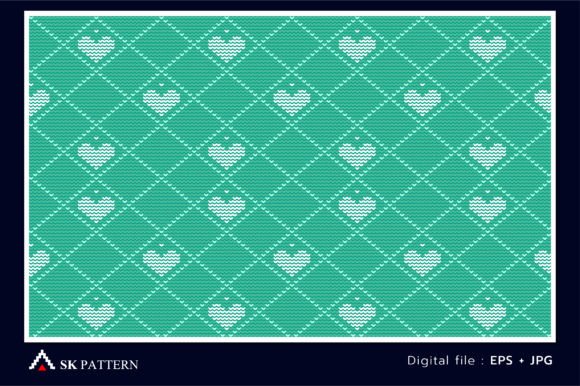
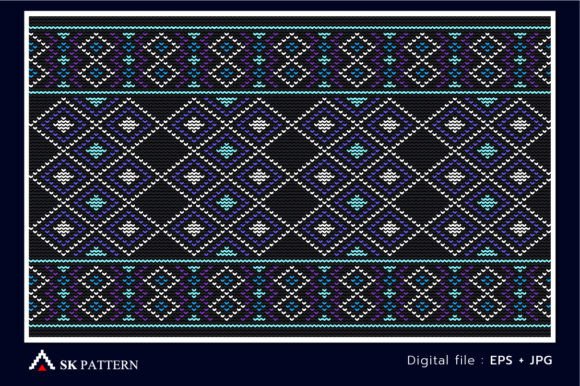
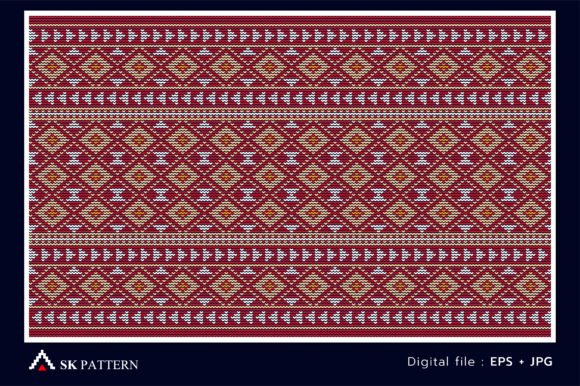
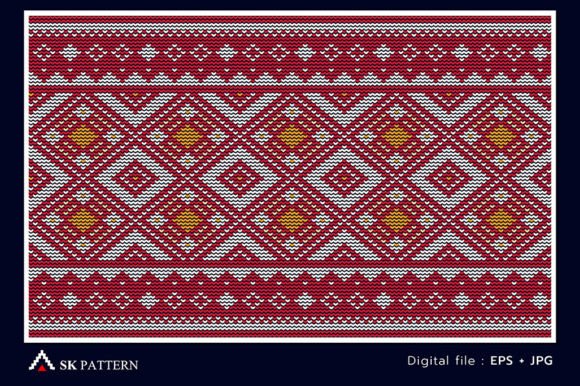
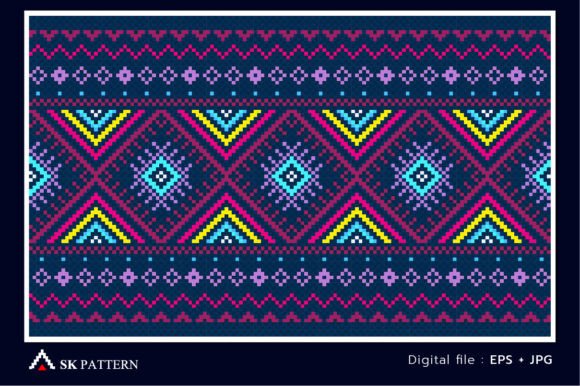
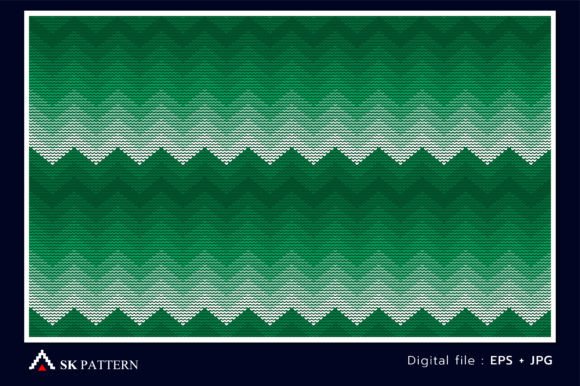
As an experienced embroidery designer constantly scanning the horizon for seasonal trends, I recently came across a design that immediately caught my eye: White and Green Embroidery Pattern. In the world of holiday product creation, finding a motif that balances festive cheer with timeless elegance is no small feat. This specific piece, described as featuring a knitted element background and vector Aztec style art in a continuous vintage cross-stitch aesthetic, offers a unique blend of rustic charm and modern geometric precision. For any Etsy seller or small business owner looking to curate a winning collection for the upcoming holidays, this digital embroidery file warrants a serious look.
The First Impression: Seasonal Mood and Emotional Tone
When you first open a new design file, the initial reaction is often about the emotional resonance it evokes. The White and Green Embroidery Pattern strikes a chord that feels both nostalgic and fresh. The color palette is inherently seasonal; white suggests winter snows, purity, and clean lines, while green brings to mind evergreen boughs, nature, and growth. Together, they create a visual language that speaks to cozy gatherings, family celebrations, and the quiet beauty of the off-season.
The inclusion of a knitted element background adds a layer of tactile warmth. Even before stitching, the design implies softness and comfort, which translates perfectly into home decor items like throw blankets or floor pillows. The vector Aztec style art introduces a structured, rhythmic quality that prevents the design from feeling too traditional or stuffy. It feels contemporary yet grounded, making it versatile enough for a wide range of customers who appreciate handmade goods but want something that fits into a modern interior. It is not overly cute or playful; rather, it carries a premium, slightly spiritual, and elegant tone that elevates the perceived value of the finished product.
Real-World Applications for Holiday Sellers
For the practical-minded creator planning a limited-time product drop, the versatility of this embroidery file is its strongest asset. Imagine the possibilities when integrating White and Green Embroidery Pattern into your inventory. On apparel, it would look stunning on a neutral-toned sweatshirt, offering a sophisticated alternative to loud graphic tees. The design's structure works beautifully on tote bags, turning a simple canvas bag into a statement accessory for holiday shopping trips.
Kitchen enthusiasts are always looking for personalized gifts, and this pattern is ideal for kitchen towel embroidery. The vintage cross-stitch feel pairs wonderfully with farmhouse-style kitchens, adding a touch of heritage to everyday linens. For those focusing on home decor, the design is perfect for pillow covers and wall art. The geometric elements hold up well at larger scales, ensuring that the details remain crisp whether the item is a small ornament or a large decorative cushion.
Furthermore, this design shines in the realm of gift-ready products. Whether you are creating matching family pajamas, baby items for a winter nursery, or aprons for holiday baking, the consistent color story ties everything together. Social media previews using realistic mockups of this design on various textures—from the rough weave of a blanket to the smooth finish of a tote—will likely drive high engagement. It signals to the buyer that this is a thoughtfully curated item, not just a mass-produced commodity.
Strategic Placement and Limitations
While the potential is high, a professional designer knows that every machine embroidery design has its limits. When considering where to place the White and Green Embroidery Pattern, one must be mindful of the physical constraints of the medium. Small hoop sizes can sometimes struggle to capture the full intricacy of the Aztec elements if the design is scaled down too much. Tiny lettering or fine details within the pattern might get lost if the stitch density is too high for the chosen fabric.
Certain materials require extra caution. Thick towels, for instance, can cause the needle to deflect or result in puckering if the stabilizer choice is incorrect. Dark fabrics present a challenge; while the white thread will pop, the green might appear muted depending on the shade, potentially requiring a different thread selection to maintain the intended vibrancy. Metallic threads, often used for holiday flair, can be tricky with dense designs like this, leading to breakage or fraying during the stitching process.
Stretchy garments, such as fitted t-shirts or leggings, demand a very specific approach to stabilization to prevent distortion. Similarly, curved caps are generally not recommended for complex patterns like this unless the design is specifically digitized for 3D curvature. Items that need repeated washing, such as daily-use aprons or children's clothing, also require a review of the stitch count and density to ensure durability over time. Always test these parameters before committing to a bulk production run.
Impact on Brand and Customer Trust
In the competitive landscape of online marketplaces, visual recognition is key. A cohesive collection built around the White and Green Embroidery Pattern helps establish brand consistency. Customers who see a recurring theme across their feed—from social media posts to product listings—are more likely to trust the shop and return for future purchases. The "vintage" aspect of the design taps into a growing desire for authentic, handcrafted items, fostering a deeper emotional connection with the buyer.
This design enhances giftability by providing a sense of occasion without being overtly cliché. It allows the seller to position their products as thoughtful, high-quality choices for loved ones. When a customer sees a pillow cover or a sweatshirt with such a refined pattern, they perceive higher value, which can justify a premium price point. This perception directly impacts sales velocity during peak holiday periods, where buyers are often willing to pay more for items that feel special and unique.
Practical Designer Notes for Production
Before adding this digital embroidery file to your commercial catalog, there are several technical steps that cannot be skipped. First, always test thread colors on both light and dark fabric swatches. The contrast between the white and green needs to be evaluated under different lighting conditions to ensure the design retains its integrity. Check the stitch density carefully; if the design is too dense, it may become stiff and uncomfortable on wearable items like sweatshirts.
Confirm the recommended hoop size for the design to avoid unnecessary trimming or repositioning errors. Use the proper stabilizer for your specific fabric texture; for example, a cut-away stabilizer is often necessary for stretchy fabrics, while tear-away might suffice for stable wovens. Create realistic mockups that accurately represent how the thread colors interact with the material, as digital representations can sometimes mislead regarding final appearance.
Review the small details after stitching to ensure that the Aztec elements and knitted textures have translated correctly. Plan matching color palettes for your other products to create a unified collection. Finally, and perhaps most importantly, confirm the commercial licensing terms before selling finished seasonal products. Ensure that you have the right to use the White and Green Embroidery Pattern for resale on items like embroidered patches, tote bag designs, and home decor. By following these rigorous standards, you ensure that your handmade gift offerings meet the highest expectations of quality and craftsmanship.