Reviewing Embroidery Traditional African Style for Real Projects
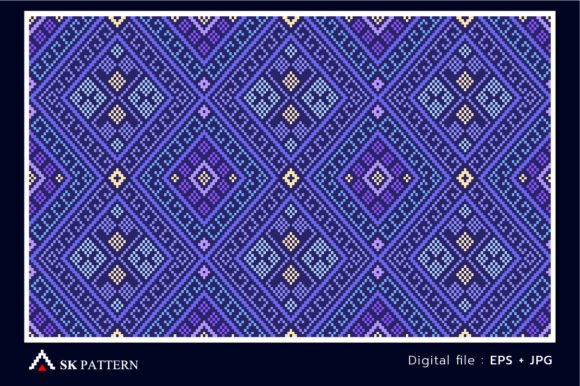
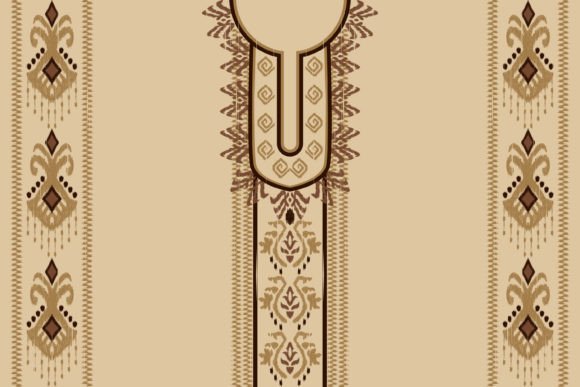
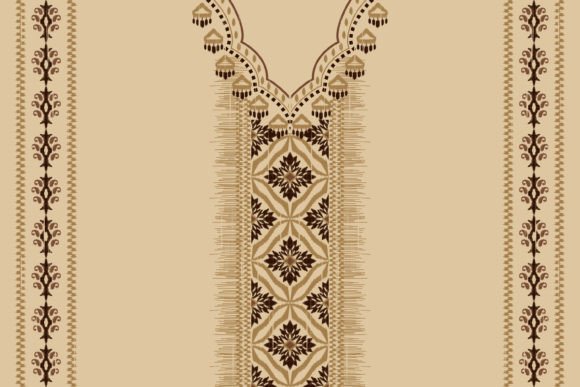
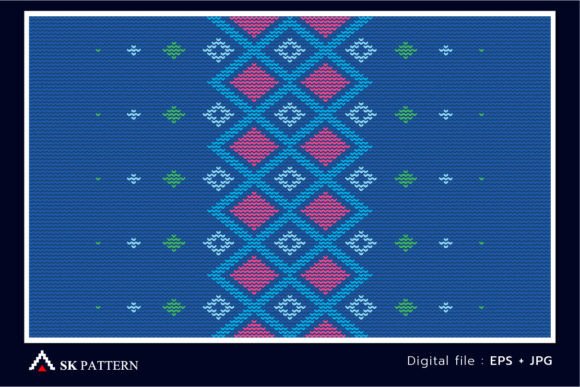
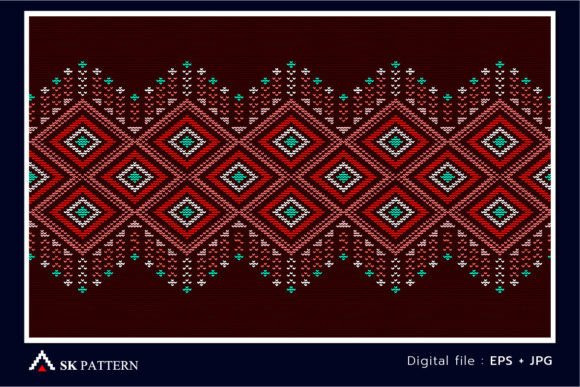
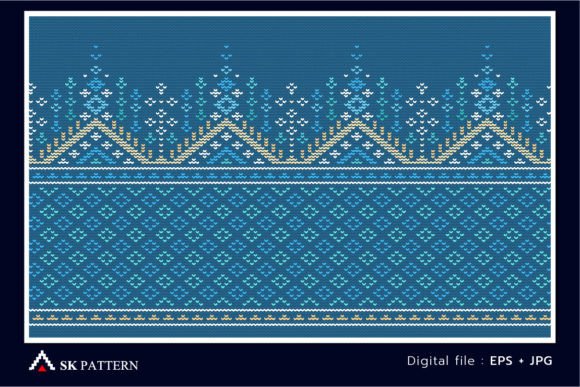
When I first opened the Embroidery Traditional African Style file, my immediate reaction was a sense of cultural richness and bold visual storytelling. As a designer who has spent years testing patterns on everything from delicate baby rompers to heavy-duty workwear, I know that the difference between a good design and a great finished product often lies in the initial aesthetic promise versus the practical reality of stitching. This piece is not just a graphic; it is a statement. It carries a mood that feels both heritage-rich and contemporary, making it an intriguing candidate for various handmade products.
The description highlights its versatility across wall art, floor pillows, throw blankets, tapestries, scarves, cushions, dresses, skirts, and even gift wrapping. While these are excellent potential applications, my job as a reviewer is to look past the marketing list and ask: how does this actually behave under the needle? Does the intricate nature of the traditional style hold up when transferred from a digital screen to fabric? In this review, I will walk through exactly how I would approach using Embroidery Traditional African Style in a real-world commercial setting, specifically focusing on a custom boutique project.
A Real-World Scenario: The Boutique Tote Bag Project
Imagine you are an Etsy seller preparing a collection for the upcoming holiday season. You want to create a high-end, reusable tote bag that stands out against the sea of generic floral prints. You decide to use Embroidery Traditional African Style as the centerpiece. The goal is to sell this as a premium item to customers who appreciate artisanal quality and cultural depth.
In this scenario, the design needs to be more than just pretty; it needs to be durable. When I placed the pattern on a mockup of a canvas tote, the visual weight of the design felt appropriate for the heavy fabric. However, the layout requires careful consideration. If the design is too dense, it could make the bag stiff and uncomfortable to carry. If it is too sparse, the details might get lost against the textured weave of the canvas. For a tote bag, which is a functional item, the balance between aesthetics and usability is critical. This specific pattern seems to lean towards a decorative fill, suggesting it would shine best on larger surfaces like a tote or a large cushion cover rather than a small patch.
Performance Across Different Textiles and Garments
Moving beyond the tote, let's consider how Embroidery Traditional African Style translates to other common items in a craft business inventory. The description mentions dresses, skirts, and scarves, which implies a level of detail that can be quite striking on flowing fabrics. On a scarf made of silk or a soft blend, the design would likely catch the light beautifully, creating a luxurious feel. The traditional motifs often rely on strong lines and distinct shapes, which tend to read well even when the fabric drapes over a body.
For apparel decorators working on sweatshirts or t-shirts, the application changes slightly. A standard crewneck sweatshirt offers a flat surface, but the stretch of the fabric adds a layer of complexity. If the design includes significant areas of satin stitch, it must be stabilized correctly to prevent puckering. The traditional style often features complex borders or geometric fills that require precise tension control. If the stitch density is too high for a lightweight cotton tee, the garment may lose its drape. Conversely, on a heavier fleece or a denim jacket, the same design would sit perfectly, adding a rugged, artisanal touch that appeals to buyers looking for unique, personalized gifts.
I also see potential in home decor. Floor pillows and throw blankets are excellent candidates because they do not undergo the same wear and tear as clothing. A large-scale version of this pattern on a throw blanket could serve as a stunning focal point in a living room. Similarly, for kitchen towels or aprons, the design adds a personal touch that elevates a utilitarian item into a gift-worthy object. The key here is scale; a pattern designed for a large tapestry might need resizing to fit comfortably on a tea towel without overwhelming the available space.
Navigating Potential Pitfalls and Fabric Limitations
While the artistic vision is strong, every experienced designer knows that not every design fits every surface. There are specific scenarios where Embroidery Traditional African Style requires caution. Small hoop sizes are the first red flag. If the design contains fine details or intricate corners, shrinking it down to fit a 4x4 inch hoop could result in a muddy mess where individual stitches merge together. For small projects like caps or hats, the curvature of the brim or crown can distort straight lines and circular motifs. Testing on scrap fabric is non-negotiable here.
Textured fabrics present another challenge. If you attempt to embroider this design on a heavily napped fleece or a loose-weave linen without proper backing, the stabilizer may not provide enough support, leading to shifting during the stitching process. Thin or stretchy fabrics, such as jersey knits used for baby clothes, demand extra attention. The density of the threads in a traditional pattern could cause the fabric to pucker significantly if a cut-away stabilizer is not used effectively. Furthermore, dark fabrics require a different thread strategy. The contrast of the design elements against a black or navy background must be verified before committing to a full production run. If the design relies on light-colored outlines, they might disappear on dark material unless a specific underlay or top-stitch color is chosen.
Visual Impact and Brand Value
From a business perspective, the choice of design directly influences customer trust and perceived value. Embroidery Traditional African Style brings a sense of authenticity and care to a product. When a buyer sees a well-executed, culturally rich design on a handmade item, it signals that the maker put thought into the creation. This perception is crucial for Etsy sellers and small shop owners who compete on quality and uniqueness. A clean, crisp execution of this pattern can justify a higher price point compared to mass-produced goods with simple logos.
The design also enhances giftability. Personalized gifts often succeed when they tell a story. The traditional motifs inherent in this pattern evoke a sense of history and craftsmanship, making it an ideal choice for wedding gifts, baby showers, or holiday presents. When presented in a printable mockup, the design assets should be showcased in settings that highlight their texture and depth, allowing potential buyers to visualize the finished product in their own homes.
Practical Designer Notes for Execution
Before you upload this file to your machine or send it to a client, there are several technical steps to ensure success. First, always test the design on a scrap of the exact fabric you intend to use. This allows you to check thread color contrast and inspect small details that might vanish at certain scales. Review the stitch density within the file; if it is extremely high, you may need to adjust the underlay or reduce the density slightly to prevent fabric distortion.
Confirm your hoop size early in the process. If the design exceeds your machine's capabilities, you may need to split the pattern or resize it carefully. Inspect the file for any tiny lettering or decorative accents that might not translate well to embroidery; sometimes, what looks sharp on a screen becomes illegible when stitched. It is also wise to test the design in black and white mockups to ensure the composition works regardless of color variations.
Finally, verify the licensing terms. Since this is a digital product intended for commercial use, you must confirm whether you are allowed to sell finished items created with Embroidery Traditional African Style. Check the included files—typically an EPS and a JPG—and ensure you have the necessary software to convert them into a machine-readable format if needed. By taking these precautions, you protect your reputation as a professional and ensure that your handmade products meet the highest standards of quality.
In conclusion, Embroidery Traditional African Style is a powerful asset for designers and makers looking to add depth and character to their collections. Whether you are crafting a custom sweatshirt, a nursery decoration, or a boutique accessory, this pattern offers a versatile foundation. With careful planning regarding fabric choice, stabilization, and sizing, it can transform a simple project into a standout piece that resonates with customers seeking authentic, handcrafted beauty.