Geometric and Embroidery Pattern Vector Review
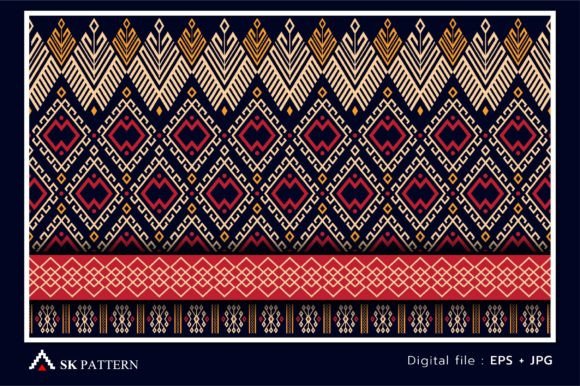
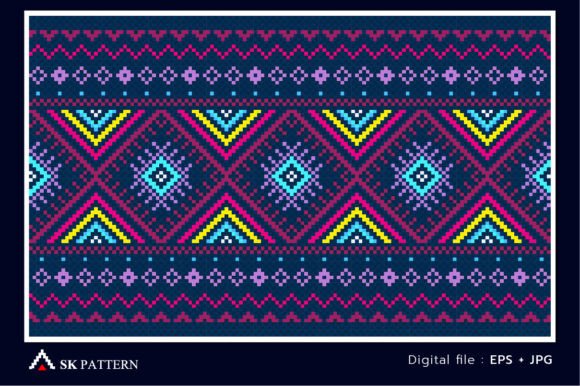
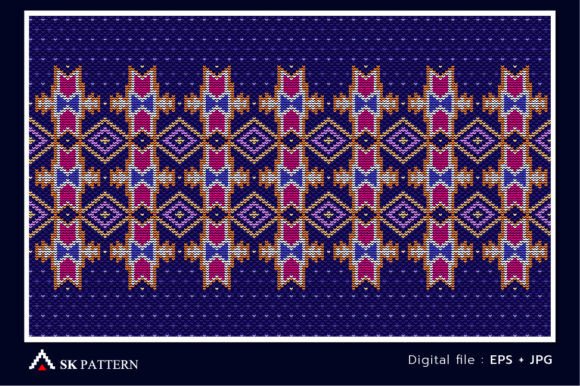
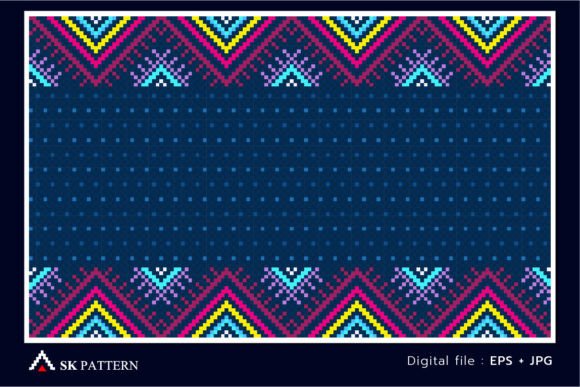
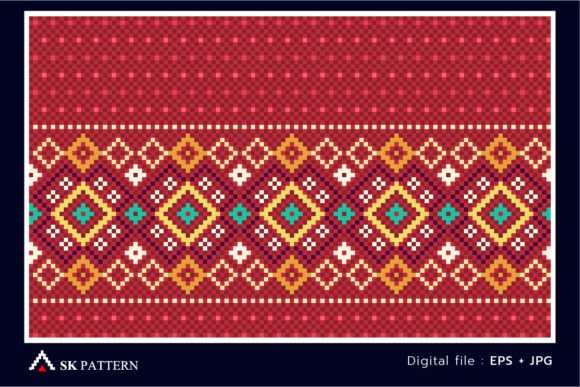
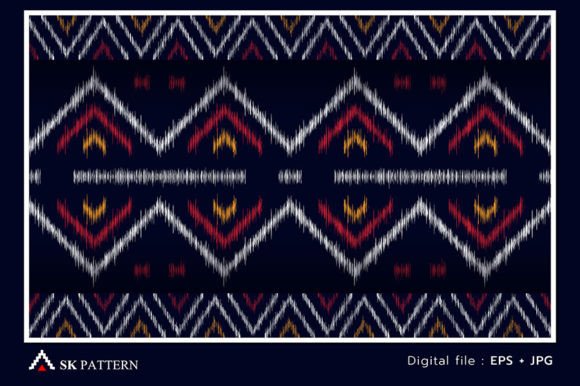
As an embroidery designer who spends countless hours digitizing patterns for seasonal collections, I am always on the lookout for designs that balance aesthetic appeal with practical production value. When planning a holiday product line, the goal is to create items that feel timely yet timeless enough to remain relevant through the season. Recently, I reviewed a Geometric and Embroidery Pattern Vector described as an "Aztec wallpaper for digital print" featuring ethnic line squares. This review explores how this specific design fits into a modern, festive collection and whether it delivers the quality expected by savvy Etsy sellers and small business owners.
First Impressions: Mood and Visual Impact
The moment you load the vector file, the first thing that strikes you is the structured elegance of the geometric layout. Unlike chaotic or overly ornate traditional holiday motifs, this design offers a clean, rhythmic flow. The square background elements provide a sense of order and stability, which translates beautifully into home decor and apparel. For a holiday collection, this feels less like "cheerful clutter" and more like "curated sophistication."
The emotional tone is warm but grounded. It leans toward the rustic and modern sides of the spectrum, making it versatile for various demographics. It isn’t strictly tied to one specific holiday; rather, it captures the spirit of gathering and celebration through its bold lines and balanced composition. This makes it an excellent candidate for year-round use during peak gifting seasons like Christmas, Hanukkah, and New Year’s Eve. The high-resolution nature of the source files ensures that even when scaled down for smaller items, the visual integrity remains sharp and professional.
Seasonal Application in Real-World Products
When thinking about where this Geometric and Embroidery Pattern Vector will shine, I immediately visualize a cohesive product ecosystem. Here is how it performs across key categories:
- Apparel Decor: On a sweatshirt, this pattern works exceptionally well as a large back print or a repeating motif along the sleeves. The geometric lines break up the solid color of the fabric without overwhelming the wearer. It pairs well with neutral tones like cream, charcoal, or deep burgundy, creating a sweatshirt embroidery piece that looks premium rather than mass-produced.
- Home Textiles: Kitchen towels and pillow covers are natural homes for this design. The square format aligns perfectly with the rectangular shape of kitchen linens. Imagine a set of three tea towels, each featuring a different variation of the ethnic line pattern. These make fantastic personalized gift options for housewarmings or holiday hostess gifts. The crisp lines also look stunning on table linens, adding a touch of cultural flair to a dinner party setting.
- Accessories and Bags: A tote bag design featuring this pattern can be both functional and fashionable. Because the design is graphic-heavy, it reads well from a distance, which is crucial for craft fair displays or social media previews. It adds visual weight to canvas bags without requiring excessive thread usage, keeping production costs manageable.
- Small Gifts and Ornaments: While best suited for larger surfaces, details from this vector can be isolated for embroidered patches or holiday ornaments. However, care must be taken with scale, as discussed below.
Strategic Considerations for Holiday Selling
In the competitive landscape of online marketplaces, visual recognition is key. This embroidery file stands out because it avoids the saturated reds and greens typical of generic holiday graphics. Instead, it offers a sophisticated alternative that appeals to buyers looking for unique, handmade goods. When used in printable mockup presentations, the contrast between the geometric lines and textured fabrics (like fleece or linen) creates an inviting tactile illusion that drives clicks.
Furthermore, this design supports brand consistency. If your shop focuses on modern, minimalist, or bohemian aesthetics, this pattern reinforces that identity. It allows you to create matching family sets—such as coordinating aprons and table runners—that increase average order value. During limited-time product drops, having a versatile design like this reduces the pressure to constantly invent new concepts, allowing you to focus on marketing and customer engagement.
Where Caution Is Required
Even the best digital embroidery file has limitations. As a designer, I advise exercising caution in the following scenarios:
- Small Hoop Sizes: Attempting to stitch this full geometric pattern in a very small hoop may result in lost detail. The fine lines might merge together if the stitch density is too high or the resolution too low at that scale.
- Thick Fabrics: Items like heavy denim or thick terry cloth towels can struggle with intricate line work. The needle penetration required for detailed geometric shapes might cause puckering if the proper stabilizer is not used.
- Metallic Threads: While metallic threads add luxury, they are prone to breaking and tangling. Using them for fine geometric lines increases the risk of machine errors and frustrated customers. Stick to standard polyester or rayon threads for the best results.
- Stretchy Garments: On highly stretchy materials like spandex blends, geometric patterns can distort if not stabilized correctly. Always test on scrap fabric first.
Practical Designer Notes for Production
To ensure your finished product meets professional standards, follow these essential steps before launching your seasonal collection:
- Thread Color Testing: Test the design on both light and dark fabrics. The contrast levels needed for the lines to pop will vary significantly. On dark backgrounds, you may need a lighter underlay or specific thread colors to maintain definition.
- Stitch Density Check: Review the digitization for appropriate stitch density. Geometric patterns often require consistent tension to look clean. If the stitches are too sparse, the design will look thin; if too dense, it may become stiff and uncomfortable to wear.
- Hoop Size Confirmation: Ensure your machine’s available hoop size accommodates the largest intended application. If the design exceeds your hoop, you will need to plan for re-hooping or splitting the design, which can complicate the workflow.
- Fabric Texture Interaction: Consider how the fabric texture interacts with the smooth lines of the vector. A ribbed knit might obscure some details, while a smooth cotton sateen will showcase them beautifully.
- Commercial Licensing: Before selling any items made from this commercial embroidery asset, verify the licensing terms. Most vector sites allow commercial use, but some restrict the number of units sold or require attribution. Protect your small shop product business by staying compliant.
Final Verdict
The Geometric and Embroidery Pattern Vector is a strong addition to any seasonal toolkit. Its blend of ethnic inspiration and modern geometry makes it adaptable for a wide range of products, from cozy home decor to stylish apparel. By paying attention to fabric choices, stabilizer types, and thread selections, you can transform this digital asset into tangible, high-value gifts that resonate with holiday shoppers. Whether you are an experienced Etsy seller or just starting your journey in handmade crafts, this design offers the flexibility and aesthetic appeal needed to stand out in a crowded marketplace.