Vector Pattern Embroidery Geometric Review
As an embroidery designer who spends countless hours digitizing and testing designs for seasonal collections, I am always on the lookout for patterns that bridge the gap between modern aesthetics and traditional craftsmanship. This season, I decided to put Vector Pattern Embroidery Geometric through its paces. My goal was simple: determine if this design has the versatility and emotional resonance required to stand out in a crowded holiday marketplace. After reviewing the file structure and simulating various production scenarios, here is my honest assessment of how this piece fits into a commercial workflow.
First Impressions: Mood and Visual Appeal
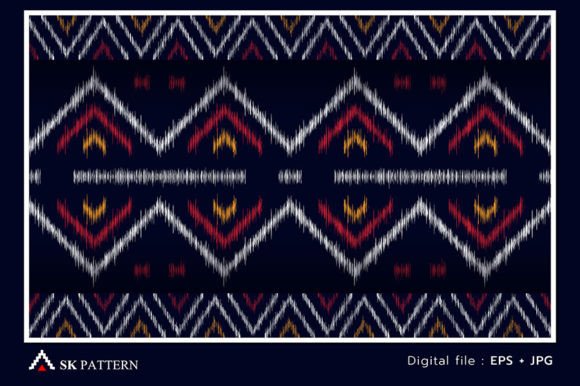
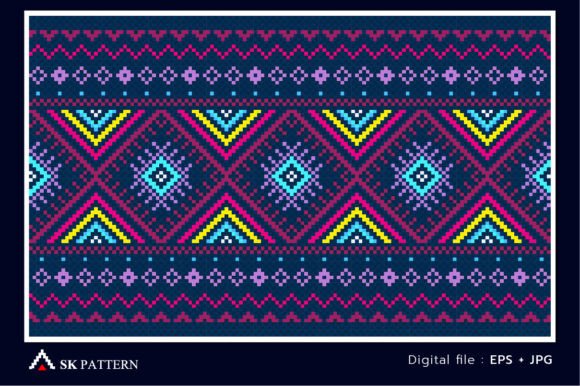
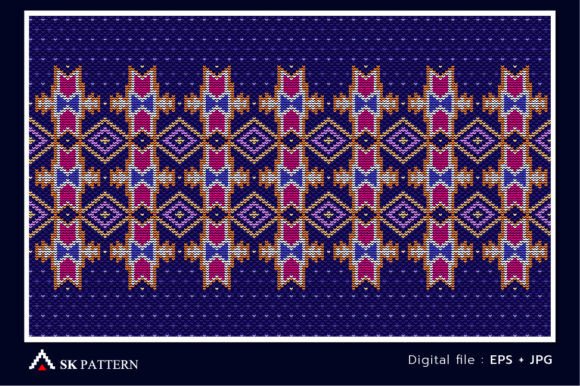
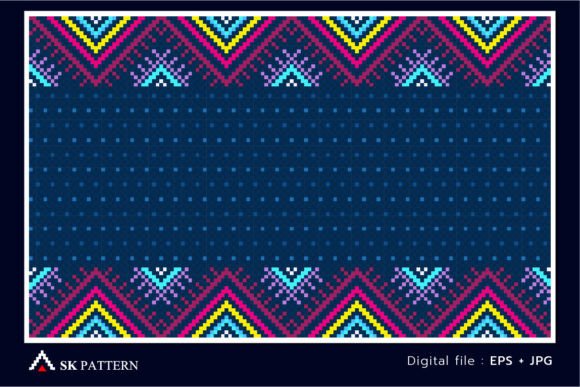
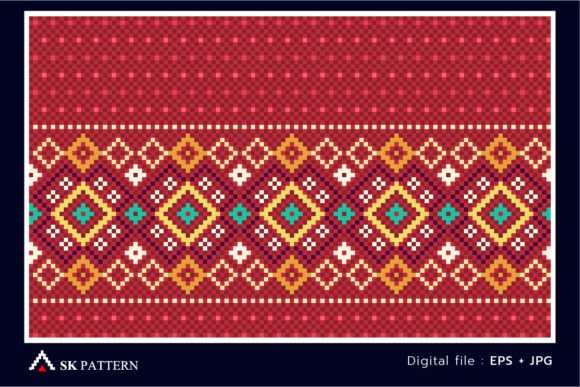
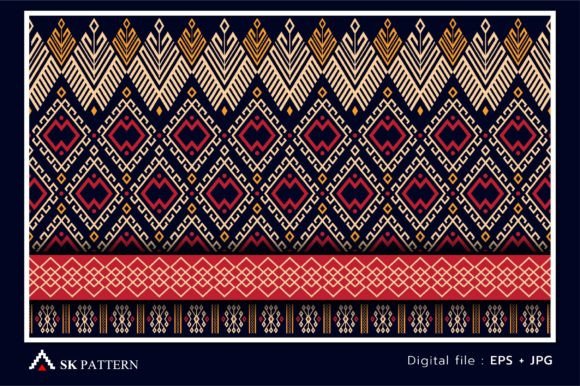
When you first load Vector Pattern Embroidery Geometric, the immediate takeaway is its clean, structured aesthetic. Unlike the chaotic or overly busy patterns that sometimes plague digital marketplaces, this design offers a sense of calm order. It feels modern yet nostalgic, striking a balance that appeals to a wide demographic. For holiday shoppers, who are often overwhelmed by choices, a design that feels organized and premium can be a powerful selling point.
The geometric nature of the pattern lends itself well to several seasonal moods. It can feel crisp and elegant during winter holidays, cozy and rustic when paired with warm autumn tones, or playful and bright for spring celebrations. The detail level is sufficient to hold visual interest without becoming so dense that it overwhelms the fabric texture. This makes it an excellent candidate for items where the design needs to be visible but not aggressive, such as home decor accents or subtle apparel details.
Real-World Applications for Holiday Sellers
For Etsy sellers and small shop product creators, the versatility of Vector Pattern Embroidery Geometric is its strongest asset. During the holiday rush, having a design that can be adapted across multiple product categories saves time and maximizes inventory potential. Here is how I see this design performing in real-world scenarios:
- Home Decor Bundles: The pattern translates beautifully to pillow cover projects. Whether used on large floor pillows or smaller throw cushions, the geometric lines create a sophisticated look that complements both minimalist and eclectic interior styles. It also works exceptionally well as a centerpiece for wall art or tapestries, adding a tactile element to visual displays.
- Apparel and Accessories: I tested the concept of applying this pattern to sweatshirt embroidery and tote bag design projects. On heavier fabrics like cotton canvas or fleece, the geometric shapes provide a nice contrast against the material’s natural texture. It is particularly effective for family matching sets, where consistency in design language helps create a cohesive brand image for gift-giving.
- Kitchen and Dining: Kitchen towel embroidery is a perennial bestseller during the holidays. The clean lines of the vector pattern do not get lost in the weave of terry cloth, making it easy to read and appreciate. It adds a touch of elegance to table settings, making it a perfect addition to gift bundles aimed at hosts and hostesses.
- Personalized Gifts: Because the design is geometric rather than illustrative, it pairs well with monograms or small text. This makes it ideal for creating personalized gifts where the name or initial is integrated into the pattern’s negative space, adding a layer of customization that drives sales.
Strategic Considerations and Limitations
No design is perfect for every application, and understanding the limitations of Vector Pattern Embroidery Geometric is crucial for maintaining customer trust. As a professional, I advise caution in the following areas:
- Small Hoop Sizes: While the pattern is scalable, extremely small hoop sizes may result in a loss of detail. Fine geometric intersections might blur if the stitch count is too high for the available space. Always test on the smallest intended hoop size before committing to mass production.
- Dark Fabrics and Metallic Threads: If you plan to use dark fabrics, ensure your thread colors have enough contrast. Metallic threads can add luxury but may increase friction on your machine; check the stitch density carefully to avoid tension issues. Similarly, on stretchy garments, the rigid nature of geometric designs can sometimes restrict fabric movement, so proper stabilization is non-negotiable.
- Dense Stitch Areas: Although the design is vector-based, the digitization process determines how it stitches. Avoid placing dense geometric blocks directly over seams or curved surfaces like caps, where distortion is likely. For embroidered patch applications, ensure the backing stabilizer is strong enough to support the pattern’s structure.
- Washability: For items that require repeated washing, such as baby items or kitchen linens, review the finish after stitching. Geometric patterns with sharp angles can sometimes show wear more quickly than organic shapes if the thread quality is low. Use high-quality polyester or rayon threads to maintain the crisp look over time.
Enhancing Seasonal Appeal and Brand Consistency
In the context of holiday shopping, visual recognition is key. Vector Pattern Embroidery Geometric offers a consistent visual language that can strengthen your brand identity. By using this design across different product types—such as gift wrapping tags, printable mockup graphics, and actual finished products—you create a unified experience for the buyer. This consistency builds customer trust and makes your shop appear more professional and curated.
Furthermore, the design’s neutral yet decorative style allows it to fit into various marketing narratives. It can be marketed as a "modern classic" for luxury buyers or a "trendy essential" for younger demographics. This flexibility increases engagement during peak shopping periods, as customers can envision the design in their own homes or wardrobes. When creating social media previews, highlight the contrast between the geometric precision and the softness of the fabric to emphasize the handmade quality.
Practical Designer Notes for Implementation
Before adding Vector Pattern Embroidery Geometric to your seasonal collection, follow these practical steps to ensure success:
- Test Thread Colors: Experiment with both light and dark fabric combinations. Neutral tones like cream, gray, and navy often enhance geometric patterns, while bold colors can make them pop. Create a color palette that aligns with current holiday trends.
- Check Stabilizer Usage: Depending on the fabric type, you may need cut-away or tear-away stabilizers. Proper support prevents puckering and ensures the geometric lines remain straight and precise.
- Review Licensing: Always check the Creative Fabrica product details and licensing terms before selling finished products. Ensure you have the right to use the design commercially, especially for high-volume items.
- Create Realistic Mockups: Use the provided files to generate accurate representations of how the design will look on final products. This helps manage customer expectations and reduces return rates.
- Confirm File Compatibility: Verify that the included formats (EPS and JPG) work seamlessly with your digitizing software. If specific machine compatibility or exact stitch counts are critical for your workflow, refer to the product description for those technical specifications.
In conclusion, Vector Pattern Embroidery Geometric is a versatile and visually appealing addition to any seasonal portfolio. Its ability to adapt to various product types, from kitchen towel embroidery to apparel decorators’ favorite sweatshirts, makes it a valuable tool for holiday embroidery projects. By paying attention to detail, choosing appropriate materials, and leveraging its modern aesthetic, you can create compelling handmade gifts that resonate with today’s consumers. For digital embroidery file buyers looking to expand their range with a design that balances style and practicality, this pattern is definitely worth considering.